“The census release was ‘a historic moment, offering an invaluable account of life in the early years of the Free State.'” Patrick O’Donovan’s words resonate deeply, echoing through the halls of history as we revisit that pivotal day—April 18, 1926.
On that day, nearly 3 million people—2,971,992 to be exact—were counted across the Irish Free State. This was the first census after the establishment of Saorstát Éireann in 1922. The atmosphere was charged with anticipation; for many, it symbolized a new beginning.
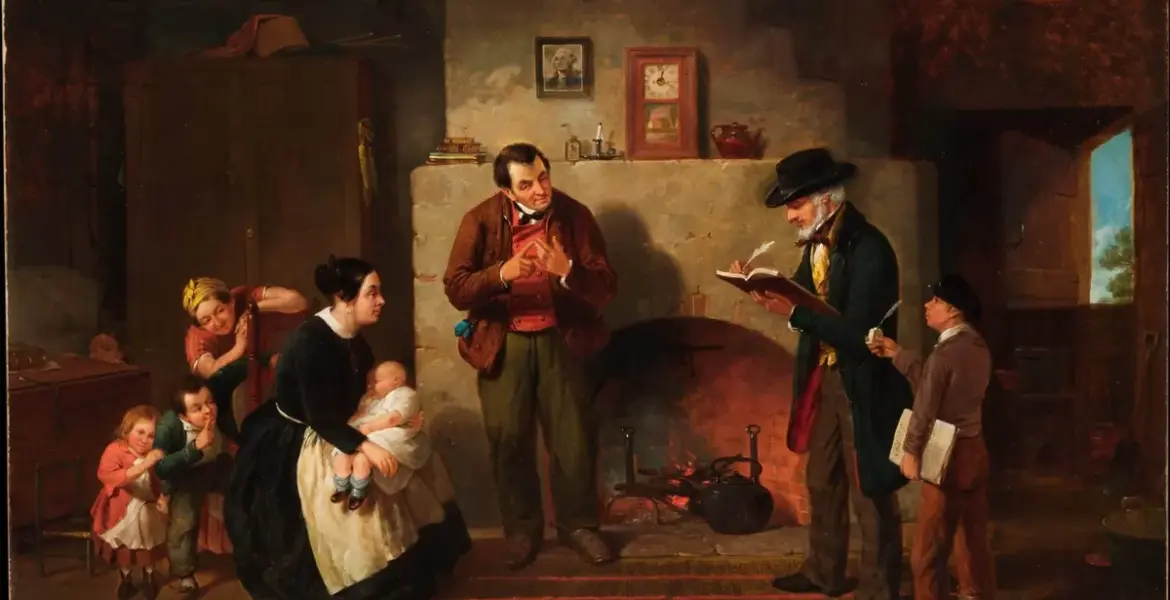
The census aimed to capture more than just numbers. It focused on families rather than households—a shift reflecting the sociopolitical landscape of post-revolutionary Ireland. In total, 630,048 household return sheets were filled out, each one a snapshot of lives intertwined.
Yet, amidst this excitement lay a sobering reality. The results revealed that over half—53%—of gainfully employed individuals over 12 were engaged in agriculture. A mere 6% were categorized as unemployed, most of whom faced temporary setbacks. These figures painted a picture of resilience amid economic uncertainty.
But the census also highlighted demographic changes: “We can see that between 1911 and 1926, people who were perhaps of the Protestant faith moved into the six counties [in Northern Ireland], while Catholics migrated south into the 26 counties,” a historian noted. This migration reflected broader tensions and transformations within society.
For the first time, individuals could complete their forms in Irish—a nod to cultural revival and pride. Each detail recorded—from name and age to language and religion—contributed to a richer understanding of identity during this formative period.
The anticipation surrounding previous census releases had been palpable; excitement about them had even crashed websites. This time was no different. The release of these records after being sealed for a century sparked interest among those tracing their roots—80 million worldwide claim Irish ancestry.
As we sift through these historical documents today, Orlaith McBride reminds us: “The census isn’t about lists and numbers; it’s about the people living in Ireland in 1926 and all of their descendants today.” Each name holds a story waiting to be uncovered.
Details remain unconfirmed about how these findings will continue to shape our understanding of Irish identity and history moving forward. But one thing is clear: this census is more than just data; it’s a testament to resilience, change, and continuity in Irish life.
You may also like