Introduction to Chronic Fatigue Syndrome
Chronic Fatigue Syndrome (CFS), also known as myalgic encephalomyelitis (ME), is a debilitating disorder characterised by extreme fatigue that cannot be explained by any underlying medical condition. This fatigue often worsens with physical or mental activity, challenging both patients and healthcare professionals alike. With millions affected worldwide, understanding the intricacies of CFS is vital for improving patients’ quality of life and guiding effective treatment options.
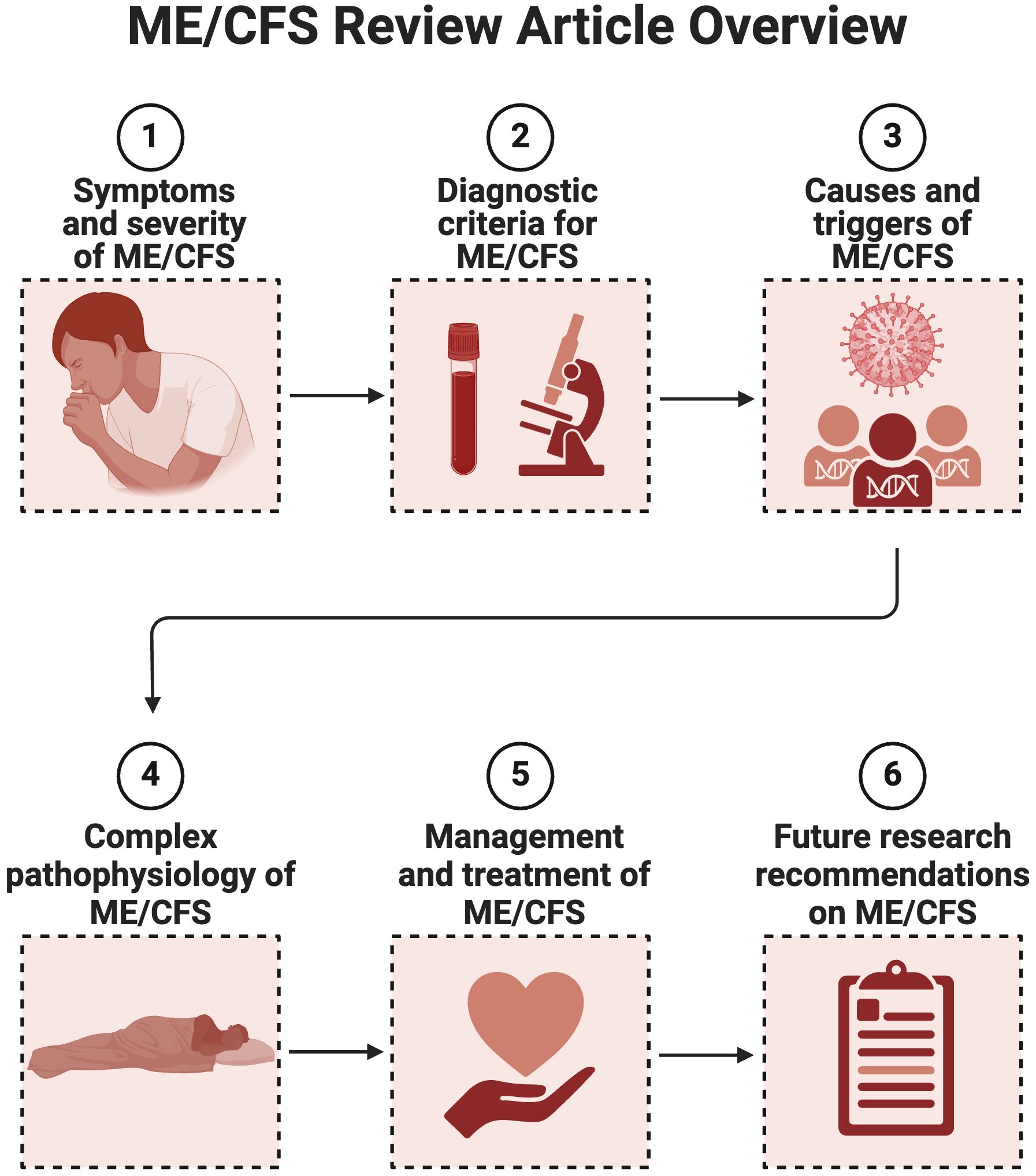
Symptoms and Diagnosis
The primary symptom of CFS is persistent and overwhelming fatigue, but it may also present with a myriad of other symptoms including cognitive dysfunction, muscle and joint pain, headaches, unrefreshing sleep, and post-exertional malaise (a significant worsening of symptoms following exertion). The diverse nature of these symptoms makes diagnosis complex and often leads to misdiagnosis or delays in treatment. Currently, no specific laboratory test exists for CFS, making it reliant on a thorough patient history and symptom evaluation. According to the National Institute for Health and Care Excellence (NICE), diagnosis requires severe fatigue and accompanying symptoms to be present for more than six months.
Current Research and Treatment Approaches
Research into CFS is ongoing, with studies investigating potential causes ranging from viral infections to immunology and psychological factors. Recent studies suggest that abnormalities in the immune system and neuroinflammation might play a role in the condition. While there is no cure for CFS, various treatment strategies aim to manage symptoms and improve patient quality of life. These treatment options may include cognitive behavioural therapy (CBT), graded exercise therapy (GET), and medications aimed at alleviating specific symptoms like pain or sleep disturbances.
Living with Chronic Fatigue Syndrome
For those living with CFS, the condition can profoundly impact daily life, affecting work, social activities, and personal relationships. Support groups and resources can offer emotional and practical support to individuals and their families. Additionally, increasing awareness around CFS is essential to promote understanding and reduce stigma. The recent Covid-19 pandemic has also shed light on the condition, with many long COVID patients experiencing symptoms akin to CFS, potentially paving the way for further research and recognition of this complex chronic illness.
Conclusion
As awareness of Chronic Fatigue Syndrome continues to grow, it is essential for both health professionals and the public to understand the condition’s profound impact on individuals. While research is still in its infancy, the increasing focus on CFS offers hope for better diagnosis, treatment, and support for those affected. Understanding CFS not only aids in patient care but can ultimately lead to valuable insights into the nature of chronic illnesses and improve the lives of millions around the globe.
You may also like