Introduction
Hemorrhoids, commonly known as piles, are swollen veins in the lower rectum and anus that can cause significant discomfort and pain. Affecting millions of people worldwide, hemorrhoids can significantly impact quality of life, yet the condition remains poorly understood by the general public. Understanding the causes, symptoms, and available treatments for hemorrhoids is critical for prevention and management.
What are Hemorrhoids?
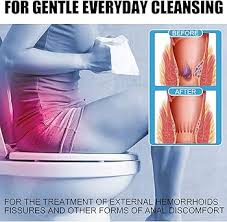
Hemorrhoids can be classified into two main types: internal and external. Internal hemorrhoids occur inside the rectum and are typically painless, although they can cause bleeding. In contrast, external hemorrhoids develop under the skin around the anus, leading to discomfort, itching, and swelling.
Causes and Risk Factors
Several factors contribute to the development of hemorrhoids. Common causes include prolonged sitting, straining during bowel movements, a low-fibre diet, obesity, and pregnancy. Age also plays a role, as the risk of hemorrhoids increases with age due to weakening of the supportive tissues around the rectum.
Symptoms
Symptoms of hemorrhoids can vary depending on their type. External hemorrhoids may cause pain, itching, and swelling, while internal hemorrhoids may cause rectal bleeding – often noticeable on toilet paper or in the toilet bowl. Other signs may include discomfort during bowel movements or a feeling of fullness in the rectum.
Diagnosis and Treatment Options
Hemorrhoids can often be diagnosed through a physical examination and reviewing the patient’s medical history. In some cases, additional tests may be necessary to rule out other conditions. Treatment options vary based on the severity of the condition. For mild cases, lifestyle changes such as increasing dietary fibre, staying hydrated, and practising good hygiene can be effective. Over-the-counter medications can also help alleviate symptoms.
In more severe cases, medical procedures may be required, such as rubber band ligation, sclerotherapy, or even surgical options for persistent cases. It’s essential to consult with a healthcare provider to determine the best course of action.
Conclusion
Hemorrhoids, while a common condition, are often shrouded in stigma and misinformation. Recognising the symptoms and understanding available treatments can empower those affected to seek help and improve their quality of life. Early intervention and lifestyle modifications are crucial in preventing further complications. As public awareness increases, it is hoped that more individuals will seek medical advice and improve their overall health.
You may also like