Introduction to Castle Howard
Castle Howard, located in North Yorkshire, England, is not just a stately home; it is a symbol of British heritage, culture, and remarkable architecture. Recognised for its stunning landscape and history, it has become a pivotal attraction in the UK, drawing visitors keen to explore its grandeur and the stories it holds. As we enter the post-pandemic era, sites like Castle Howard assume greater relevance, highlighting the importance of preserving cultural landmarks for future generations.
The Historical Significance
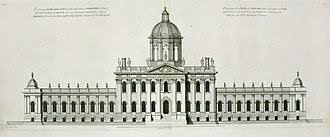
Constructed in the 18th century by the esteemed architect Sir John Vanbrugh, Castle Howard was built as a family residence for the Howard family, and today, it remains the family’s home. The estate spans over 1,000 acres, complete with exquisite gardens and expansive grounds, all of which reflect the Baroque architectural style of the period. The estate has significant connections to British history, including its contributions to the arts and education, with various pieces of art created or curated within its expansive collections.
Recent Developments and Events
Castle Howard has recently announced a series of events aimed at families and art enthusiasts, including exhibitions and themed tours to enhance the visitor experience. This year, in recognition of the socio-economic impact of the COVID-19 pandemic, the estate has introduced competitive pricing for family tickets, making it more accessible for visitors. Attractions include a children’s adventure playground and seasonal events that cater to various interests, satisfying both the historical enthusiast and the casual visitor.
Furthermore, the estate is actively engaging in sustainability efforts, with initiatives aimed at preserving the natural environment surrounding Castle Howard. This includes the planting of more trees and enhancing biodiversity within the grounds, positioning the estate as a model for heritage sites across the UK.
Conclusion: The Future of Castle Howard
Castle Howard’s enduring appeal lies not only in its architectural splendour but also in its commitment to heritage conservation and community engagement. Looking ahead, it is anticipated that the estate will continue to attract visitors from around the globe, contributing significantly to regional tourism and education. As visitors explore its rich history and breathtaking scenery, Castle Howard stands as a testament to the importance of preserving such cultural landmarks for future generations to appreciate.
You may also like