Introduction
Adamuz, a picturesque village located in the province of Córdoba, Spain, is a place that often flies under the radar for tourists. Despite its modest size and population of around 3,000 residents, the village boasts rich history, vibrant culture, and stunning landscapes, making it an essential stop for anyone exploring Andalusia. As interest in rural tourism continues to rise, Adamuz is gaining recognition as a hidden gem worth visiting.
Historical Significance
Adamuz has a history that dates back to the Roman era, with archaeological remains suggesting it was once an important settlement. The region is known for its olive mills, reflecting the long-standing tradition of olive oil production that remains vital to the local economy. Furthermore, the village boasts several historical landmarks, including the Church of San Juan Bautista, a stunning structure that showcases Mudejar architecture. The annual celebrations, particularly the Fiesta de las Cruces, highlight the village’s embrace of its cultural roots.
Natural Beauty and Lifestyle
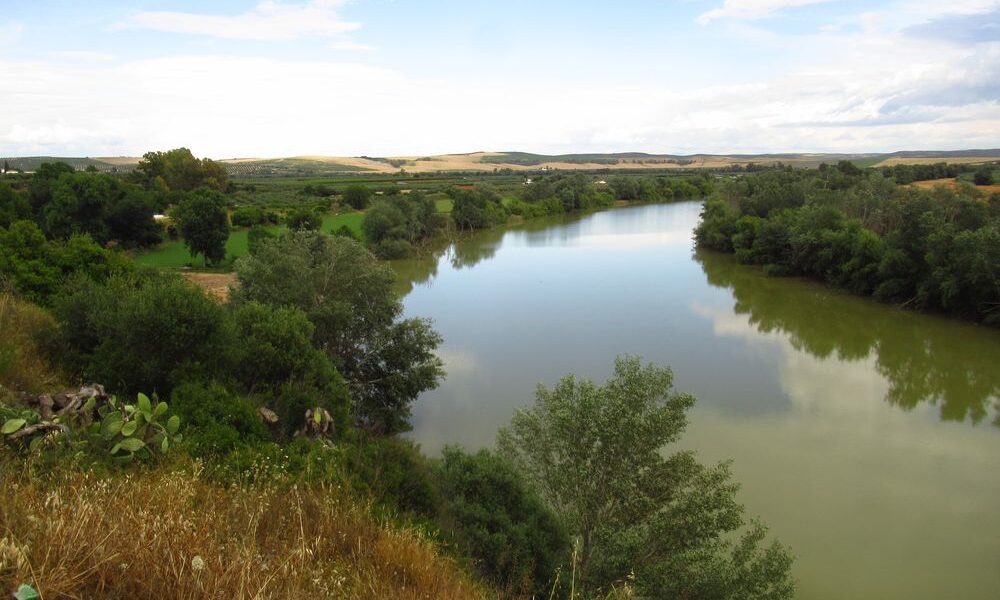
Surrounded by the stunning Sierra de Andújar mountains, Adamuz offers countless opportunities for outdoor enthusiasts. Hiking, bird watching, and exploring the natural parks are popular activities, drawing in visitors from surrounding regions. The village’s location also makes it an ideal base for discovering the broader Andalusian landscape. The local gastronomy, featuring traditional dishes like salmorejo and local wines, adds to the village’s charm, providing tourists a taste of authentic Andalusian cuisine.
Current Developments
In recent years, Adamuz has seen an increase in local initiatives aimed at promoting sustainable tourism and preserving its cultural heritage. The “Ruta del Olivo” initiative, for instance, encourages visitors to explore the local olive groves and learn about small-scale production methods, further integrating the community’s agricultural practices with tourism. Additionally, the local government has been keen on enhancing infrastructure, ensuring that visitors have access to the village’s many offerings while preserving its quaint character.
Conclusion
As tourism trends lean towards experiential and rural travel, Adamuz represents a perfect blend of history, culture, and nature, making it an appealing destination for future visitors. Its commitment to preserving its heritage while embracing sustainable development emphasizes the village’s readiness for the growing number of travellers seeking genuine experiences. For those journeying through Spain, Adamuz invites exploration and promises to leave a lasting impression.
You may also like