What does the future hold for the airline industry as it grapples with soaring fuel prices and potential shortages? The answer is troubling: airlines are already making cuts to their services and raising fares, and if the situation continues, a systemic jet fuel shortage could become a reality for Europe.
The Gulf region is a critical player in the global aviation fuel market, accounting for about 50% of Europe’s aviation fuel imports. A significant portion of this comes from the Al-Zour refinery in Kuwait, which provides roughly 10% of Europe’s jet fuel imports. With tensions in the region affecting the flow of fuel, airlines are feeling the pinch. Delta Airlines reported fuel costs of $2.7 billion in the January-March period, marking a 14% increase compared to the previous year.
Airlines across Asia are trimming services and raising fares in response to these rising costs. For instance, Air New Zealand has announced cuts to flights in and out of Auckland, Wellington, and Christchurch. Meanwhile, Air India is adjusting its fuel surcharge on domestic flights based on distance, reflecting the urgency many carriers feel to navigate these turbulent waters. “Like airlines globally, we’re experiencing jet fuel prices that are more than double what they would usually be,” stated a spokesperson for Air New Zealand.
In the face of these challenges, major airlines such as United Airlines and SAS have also cut flights and increased ticket prices. Air France-KLM plans to lift fares for long-haul journeys, a move that underscores the widespread impact of rising fuel costs. Ryanair has warned that 10% of its summer flights could be axed if the situation continues, highlighting the precarious position many airlines find themselves in.
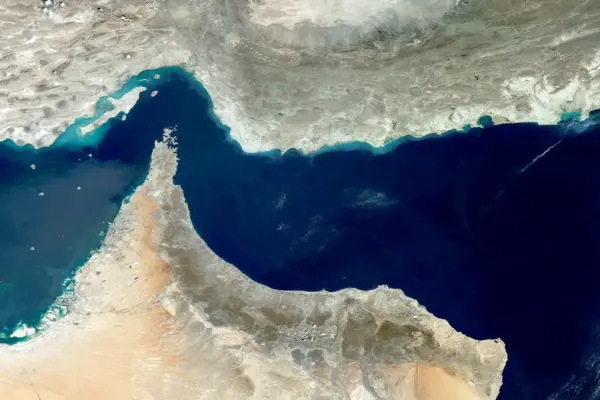
Despite these alarming developments, the UK government has stated there are currently no immediate jet fuel supply shortages, and Airlines UK reported that carriers are not experiencing disruptions to jet fuel supplies at this time. However, the situation remains fluid. According to a recent analysis, if the Strait of Hormuz does not resume passage within three weeks, a systemic jet fuel shortage is expected for the EU. “There’s a high sense of urgency to address higher fuel costs and reduce unprofitable flying,” said Ed Bastian, CEO of Delta.
The current crisis is best understood as a compound systems shock, affecting safety, costs, and long-term strategic positioning simultaneously. The Gulf nations have developed as major aviation transit hubs and destinations, linking Europe, Asia, and Africa. The ongoing conflict in the Middle East raises questions about the long-term impact on the airline industry, as airlines navigate these turbulent waters.
As the industry adjusts to these challenges, uncertainties remain. The exact timeline for the resumption of passage through the Strait of Hormuz is unclear, and the long-term impact of the current Middle East conflict on the airline industry remains uncertain. Details remain unconfirmed, but one thing is clear: the airline industry is at a crossroads, and the decisions made in the coming weeks will shape its future.
You may also like