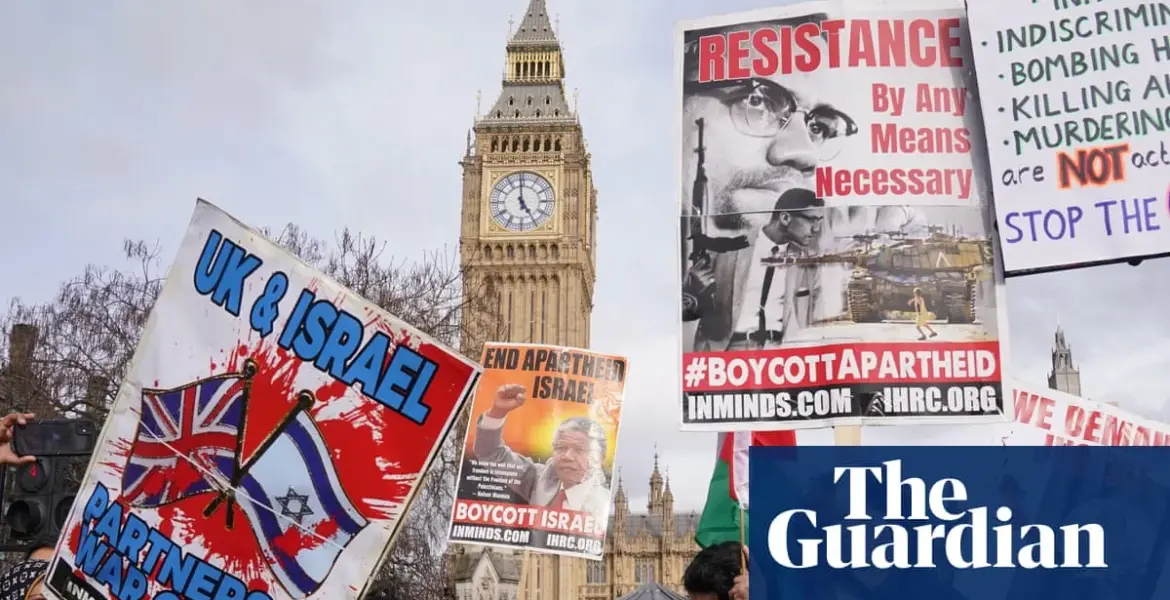
Background and Initial Expectations
Al-Quds Day, established by Ayatollah Ruhollah Khomeini after Iran’s 1979 revolution, has been commemorated annually, often peacefully, for over 40 years. Traditionally held on the last Friday of Ramadan, this event has seen thousands gather to express solidarity with Palestinians. However, the upcoming protest in London faced a significant shift in expectations.
Decisive Changes
On March 11, 2026, Home Secretary Shabana Mahmood announced a ban on the al-Quds Day march, marking the first such prohibition since 2012. The Metropolitan police requested this ban due to concerns about potential public disorder, particularly in light of recent incidents, including a stabbing linked to opposing views on the Iranian regime. The ban will be enforced for a month, starting at 4 PM on the same day.
Immediate Effects
The decision to ban the protest has immediate repercussions for the UK al-Quds Committee, which organizes the march alongside the Islamic Human Rights Commission. This year, the police cited security concerns related to alleged Iranian state activity in the UK, further complicating the situation. The home secretary emphasized that strict conditions would apply if any stationary demonstration proceeds.
Expert Perspectives
Shabana Mahmood stated, “I expect to see the full force of the law applied to anyone spreading hatred and division instead of exercising their right to peaceful protest.” Sarah Sackman, a prominent figure, added that those supporting the Iranian regime and its proxies “have no place in our society.” The Metropolitan police spokesperson noted, “The threshold to ban a protest is high and we do not take this decision lightly,” underscoring the gravity of the situation.
The last time the power to ban a march was utilized was in 2012, making this decision particularly significant. The police’s risk assessment of this specific protest and potential counter-protests played a crucial role in the decision-making process. With four individuals recently arrested on suspicion of spying on Jewish communities, the atmosphere surrounding the protest has become increasingly tense.
As the al-Quds Day march approaches, the implications of this ban resonate beyond the immediate protest, reflecting broader societal divisions and security concerns in the UK.
You may also like