Introduction to Flying Ant Day
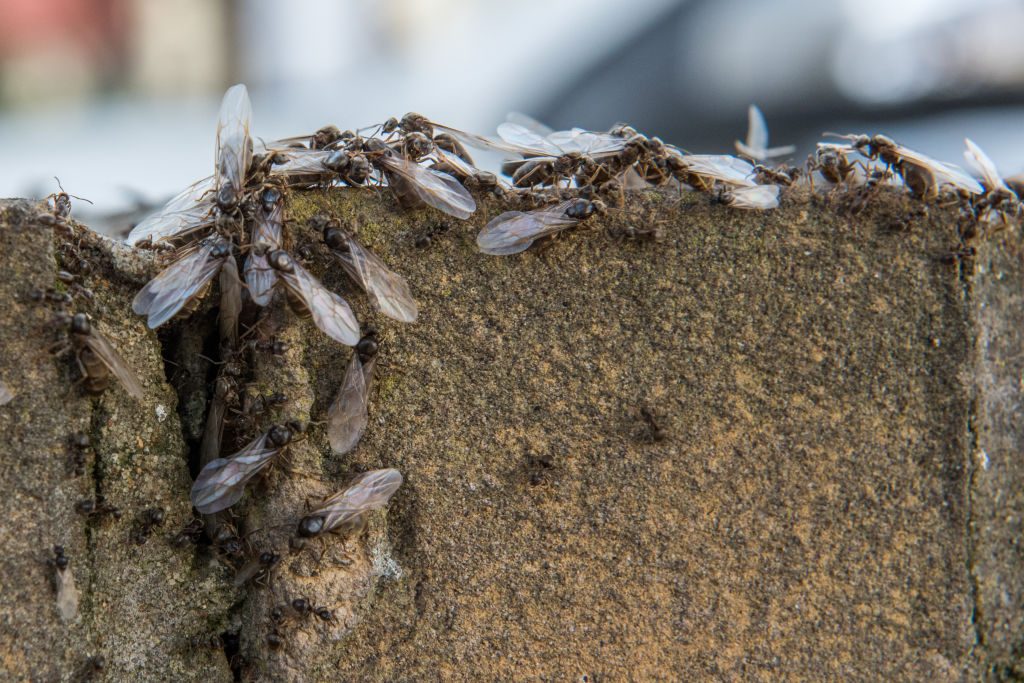
Flying Ant Day marks a pivotal moment in the lives of these insects, as countless colonies take to the skies across the UK. This phenomenon usually occurs in July and is closely linked to warm summer weather conditions. The relevance of this event is not just rooted in curiosity; it plays a significant role in the ecosystem and is a popular topic among nature enthusiasts and environmental scientists alike.
What is Flying Ant Day?
Flying Ant Day refers to the day when male and female ants leave their colonies in swarms, primarily for mating purposes. This mass flight allows the colonization of new areas, ensuring the propagation and survival of the ant population. In the UK, this event typically aligns with warm, humid conditions that trigger the nuptial flights of various ant species.
The Impact of Weather on Flying Ant Day
This year’s Flying Ant Day was notably marked on several dates in July, with the hottest day being 19th July when temperatures soared to above 30°C in parts of southern England. These warm conditions are essential for the ants, as they assist in the development of their wings, making it easier for them to fly. Climate change’s impact on weather patterns has raised concerns about shifting timings for this event in the future.
Public Reaction and Significance
Flying Ant Day captures public attention, often leading to a flurry of social media posts and conversations among nature lovers. Many Britons express excitement over the swarms, while others lament the nuisance they can create, particularly as they may invade homes and gardens. Environmentalists highlight that despite the inconvenience, these ants play important roles in soil aeration and nutrient cycling, thus supporting local ecosystems.
Conclusion: The Future of Flying Ant Day
As climate patterns evolve, the timing and scale of Flying Ant Day may change, prompting further study into these crucial insects. For readers, understanding the impact of such events is essential for appreciating biodiversity and the interconnectedness of life. Observing Flying Ant Day can serve as a reminder of the resilience of nature and the importance of respecting all its creatures, no matter how small.
You may also like