Introduction to Sciatica
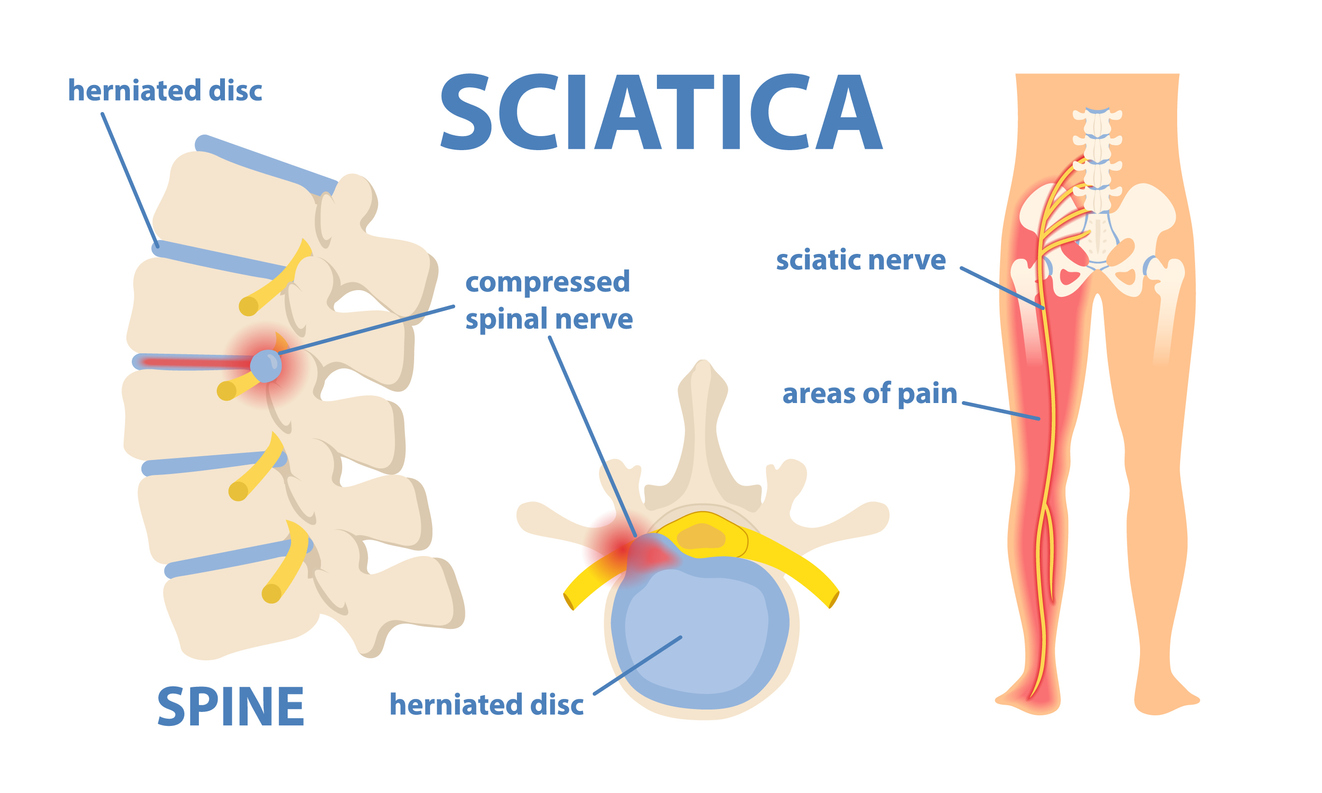
Sciatica is a prevalent condition affecting millions of people worldwide, often causing significant discomfort and pain. Characterised by pain that radiates along the path of the sciatic nerve, which branches from the lower back through the hips and buttocks and down each leg, sciatica can result from various factors including herniated disks, spinal stenosis, or muscle imbalances. Understanding sciatica is crucial for both prevention and effective treatment, making it a relevant topic for those experiencing lower back pain.
What Causes Sciatica?
There are several underlying conditions that can lead to sciatica. The most common cause is a herniated disk, which occurs when the soft material inside the disk protrudes and compresses the sciatic nerve. This can lead to intense pain, tingling, or weakness in the affected leg. Other contributing factors include spinal stenosis (narrowing of the spinal canal), degenerative disk disease, and spondylolisthesis (slippage of vertebrae). Muscle tension or other injuries can also aggravate the sciatic nerve.
Symptoms of Sciatica
The symptoms of sciatica can vary significantly from one individual to another, but they frequently include:
- Sharp or burning pain that starts in the lower back or buttocks and radiates down one leg;
- Numbness or weakness in the affected leg;
- Difficulty moving or controlling the leg;
- Pain that worsens when sitting, sneezing, or coughing.
Each person’s experience with sciatica can vary, and it is essential to seek medical advice for a proper diagnosis and treatment plan.
Treatment Options for Sciatica
Treatment for sciatica often begins with conservative measures. Healthcare providers may recommend:
- Physical therapy to strengthen muscles and improve flexibility;
- Over-the-counter anti-inflammatory medications to relieve pain;
- Heat or ice application to reduce inflammation and provide symptom relief.
If conservative treatments are ineffective, more advanced interventions may be necessary. These can include corticosteroid injections to reduce inflammation or even surgical options in severe cases where nerve compression is evident.
Conclusion
In summary, sciatica is a significant concern that affects a large population globally. Identifying its causes, recognising symptoms, and understanding treatment options are key to managing this condition effectively. Awareness and early intervention may lead to better outcomes and improved quality of life for those affected. As always, individuals experiencing symptoms of sciatica should consult a healthcare professional for personalised advice and treatment strategies.
You may also like