Introduction
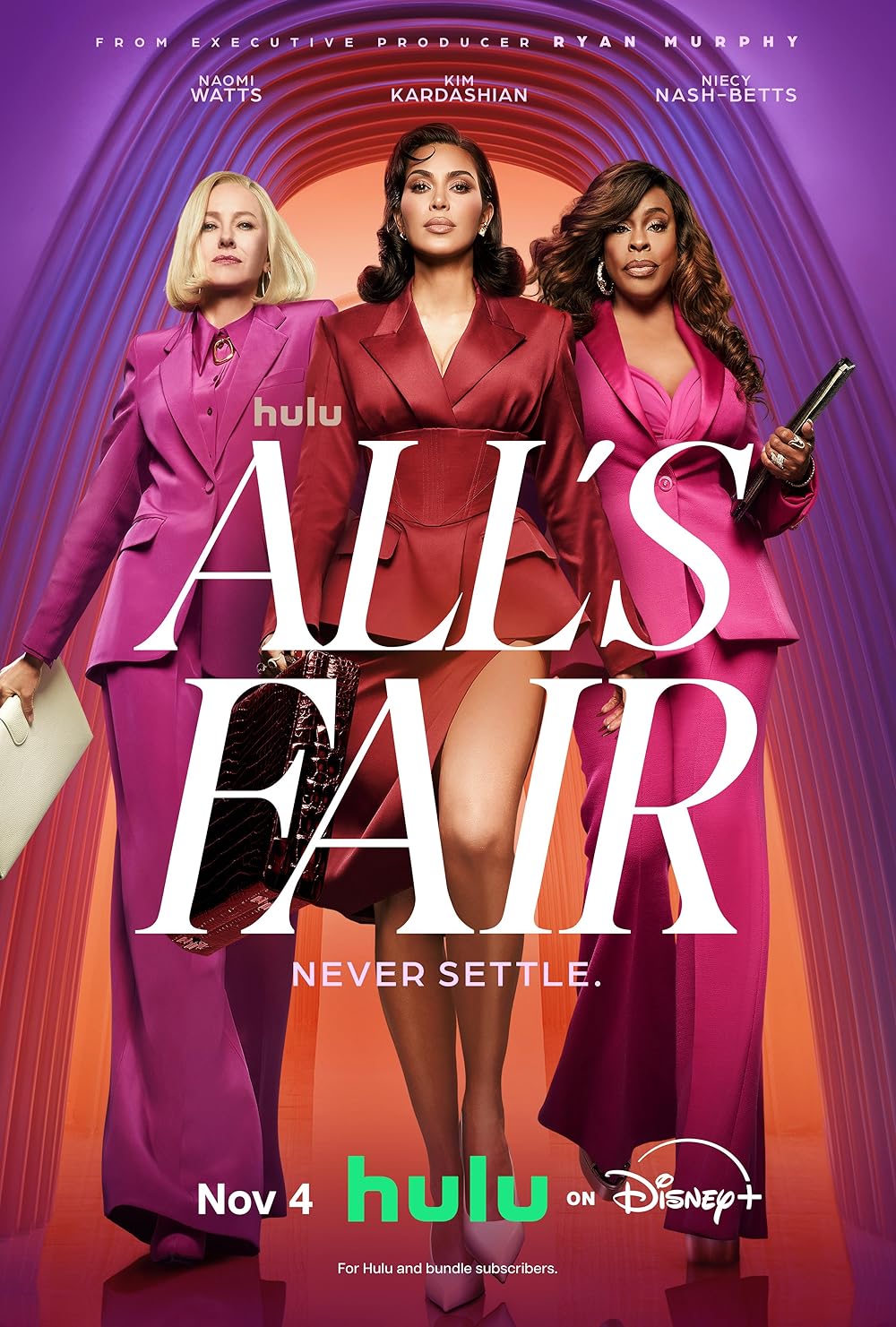
The phrase ‘all’s fair in love and war’ has long been a catchphrase suggesting that the rules of fairness can be bent depending on the situation. However, in today’s complex society, the notion of fairness extends beyond romantic relationships and combat scenarios. It has become a critical topic of discussion in various fields including social justice, economics, and human rights. As recent events and movements highlight, the pursuit of fairness is more relevant than ever.
Current Events Highlighting Fairness
In recent months, the world has witnessed significant public discourse around issues of fairness and equality, especially in relation to economic disparities. The COVID-19 pandemic has exacerbated existing inequalities, bringing attention to how different populations were affected by lockdowns, healthcare access, and economic relief measures. The disparity in vaccine distribution sparked global outrage, leading to calls for fairer access to medical resources across all nations. Moreover, the Black Lives Matter movement has further propelled discussions on social and racial justice, spotlighting systemic inequities and the need for fair treatment for all individuals regardless of their background.
The Economic Lens of Fairness
From an economic standpoint, the concept of fairness often revolves around equitable distribution of resources. Governments and organisations are grappling with how to implement policies that ensure economic inclusion. For instance, discussions on a Universal Basic Income (UBI) have gained traction as a potential solution to provide financial security amidst rising automation and job displacement. Meanwhile, taxation policies are also under scrutiny as many advocate for a more progressive system that ensures wealthier individuals contribute a fairer share towards public welfare. The debate surrounding fiscal fairness is crucial as it shapes how societies function and maintain cohesion.
Conclusion
As society continues to evolve, the concept of ‘all’s fair’ will remain a pivotal topic, influencing various aspects of public policy and community outreach. While the phrase might suggest that exceptions can be made to the rules, it raises critical questions about how fairness should be defined in diverse contexts. As we move towards a more inclusive future, fostering dialogues on equity and justice will be essential. The significance of fairness in our society cannot be overstated; it serves as the foundation for trust, stability, and overall human dignity. Ultimately, striving for fairness will be vital for progress, fostering an environment where all individuals feel valued and respected.
You may also like