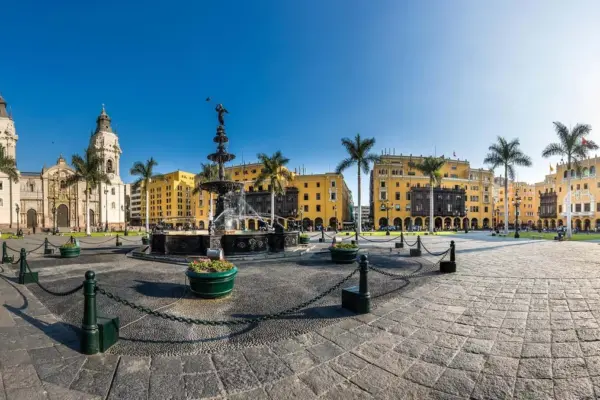
Introduction to Cusco
Cusco, a city located in southeastern Peru, holds immense significance as it was once the capital of the Inca Empire.
This historic city is recognised as a UNESCO World Heritage Site and is a major hub for tourism, drawing visitors from around the globe who are eager to explore its rich history and vibrant culture.
Historical Importance
Founded in the 15th century, Cusco was the political, military, and cultural centre of the Inca Empire, which was one of the largest empires in pre-Columbian America. The city’s structure reflects its Incan heritage, with its layout and many of its stone buildings tracing back to this period.
One of the most notable sites is the Sacsayhuamán fortress, known for its impressive dry-stone walls, which remain a testament to the advanced engineering skills of the Incas. In recent years, efforts have been made to preserve and promote the historical sites of the city, which also include the Qorikancha Temple, the former most important temple of the Incas.
Modern Day Cusco
Today, Cusco is not only an archaeological wonder but also a vibrant city that encapsulates a blend of traditional Andean culture and modernity. It attracts over two million visitors each year, many of whom use the city as a base to explore nearby attractions, including the renowned Machu Picchu.
The city is also known for its festivals, such as Inti Raymi, a traditional Incan celebration of the winter solstice. This event draws thousands of participants and spectators, showcasing Cusco’s rich cultural heritage and its people’s enduring traditions.
Economic Development through Tourism
Tourism plays a crucial role in the local economy, with many businesses revolving around this sector. Hotels, restaurants, and tour operators thrive, providing employment opportunities and contributing to the city’s development. However, the pandemic has posed challenges for this sector, with significant impacts on tourist numbers. In response, local authorities are implementing sustainable tourism practices to ensure that the city can recover while preserving its unique heritage.
Conclusion
Cusco is more than just a tourist destination; it is a symbol of resilience and cultural heritage. As the city continues to reintegrate tourism amid recovery efforts, it remains a beacon for those looking to explore the rich tapestry of Incan history and Andean culture. With ongoing preservation efforts and a commitment to sustainable tourism, Cusco is poised to maintain its role as a significant player on the global tourism stage for years to come.
You may also like