Introduction
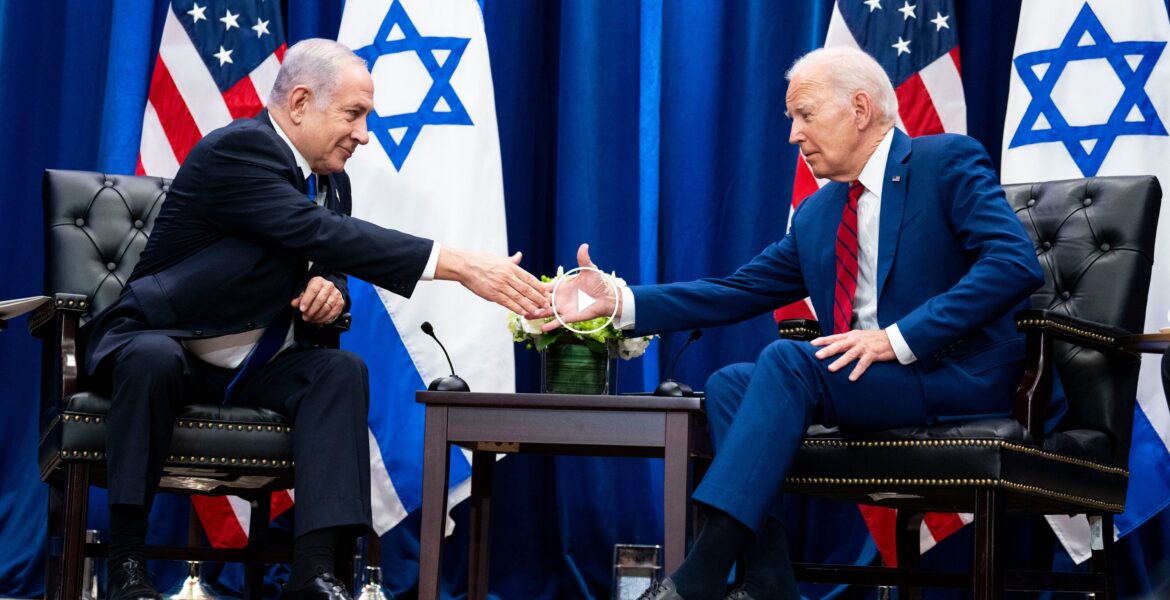
Benjamin Netanyahu, Israel’s longest-serving Prime Minister, continues to dominate the political landscape amid an evolving geopolitical environment. His leadership has significant implications not only for Israel but for the broader Middle East region. Understanding Netanyahu’s current situation is crucial for comprehending the future trajectory of Israeli politics and international relations.
Current Political Context
As of October 2023, Netanyahu’s government faces a myriad of challenges, from domestic protests against judicial reforms to security threats emanating from Gaza and other regional players. His recent policies have sparked controversy; critics argue that they undermine democratic institutions, while supporters believe they are necessary for national security.
In late September, large-scale demonstrations erupted in Tel Aviv, with citizens voicing concerns about the government’s direction and perceived erosion of civil liberties. These protests highlight a growing rift within Israeli society, where divisions between right and left-wing ideologies are becoming increasingly pronounced.
International Relations and Security Issues
In terms of foreign policy, Netanyahu’s administration continues to strengthen ties with Arab nations under the Abraham Accords, aiming for economic cooperation while addressing mutual threats, particularly from Iran-backed militias. The recent rapprochement with Saudi Arabia has been a major focus, with discussions around normalisation of relations gaining momentum.
Simultaneously, the situation in Gaza remains a point of contention. The Israeli military’s operations against Hamas have intensified, leading to casualties on both sides and prompting international calls for peace and restraint. The ongoing conflict poses a significant challenge for Netanyahu, who must balance security needs with diplomatic pressures.
Conclusion
Looking ahead, Netanyahu’s political future remains uncertain amidst growing discontent at home and complex international dynamics. His ability to manage these issues will likely determine the stability of his government and the potential for lasting peace in the region. For readers, understanding Netanyahu’s strategies and the political climate surrounding his leadership is essential for analysing the prospects for Israel’s future and its interactions on the world stage.
You may also like