Introduction
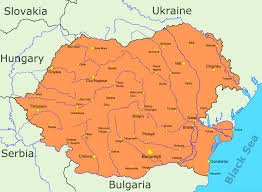
The relationship between România and Moldova holds significant importance both historically and geopolitically. With Moldova being a neighbour to România and having shared cultural and linguistic ties, developments between the two countries impact regional stability, economies, and cultural exchanges. This article seeks to shed light on the current state of affairs between România and Moldova, and the implications for both nations.
Historical Context
România and Moldova share a long and intertwined history. The two regions were part of the same historical entities during the medieval period, and the Romanian language is the official language of both countries, further solidifying their ties. However, following the dissolution of the Soviet Union in 1991, Moldova declared its independence, leading to a complex relationship influenced by political, social, and economic factors.
Current Political Relations
In recent years, political relations have evolved, particularly under the leadership of Maia Sandu, who became Moldova’s president in December 2020. Sandu’s pro-European stance has resulted in closer ties with România, which supports Moldova’s aspirations to integrate with European Union structures. Both countries have signed cooperation agreements, focusing on trade, energy security, and cultural cooperation, fostering an environment of mutual support. In 2023, diplomatic visits between high-ranking officials of both nations have increasingly promoted collaborative efforts.
Economic Cooperation
Economically, the two nations are increasingly intertwined. Trade volume between România and Moldova has seen a consistent rise, with România being one of Moldova’s largest trading partners. This is evident through Romanians investing in Moldovan businesses and infrastructure, which aim to strengthen economic stability and growth in the region. In July 2023, both countries discussed enhancing infrastructure projects that would link their transport networks more effectively.
Cultural and Social Relations
The cultural and social connections between România and Moldova remain robust. Numerous cultural exchanges and events promote the shared heritage and history, emphasising the importance of collaboration in education, art, and language. Additionally, many Moldovans live and work in România, contributing significantly to the economy while maintaining close ties with their home country.
Conclusion
The relationship between România and Moldova is crucial for regional integration and stability. As Moldova seeks closer ties with the European Union, support from România will likely influence its path forward. Future collaborations in political, economic, and cultural fields are expected to strengthen their partnership. Overall, the interplay between these two nations reflects broader regional dynamics and sets the stage for both collaboration and growth in the coming years.
You may also like