Introduction
The COVID-19 pandemic has had a profound impact on global health and economies since its outbreak in late 2019. As we progress through 2023, understanding the current status of COVID-19 is crucial for public health preparedness and safety. Recent developments in vaccination campaigns, variant emergence, and government responses are at the forefront of discussions regarding the pandemic’s trajectory.
Current Statistics and Trends
As of October 2023, data from the World Health Organization (WHO) indicates a steady decline in severe COVID-19 cases compared to the previous years. New cases are averaging around 50,000 globally per day, with a significant number reported in regions with low vaccination rates. The total number of confirmed cases since the beginning of the pandemic has surpassed 700 million worldwide.
Vaccination efforts have been pivotal in controlling the spread of COVID-19. Over 70% of the global population has received at least one dose of a COVID-19 vaccine. Reports suggest that booster shots are becoming increasingly important, especially against newer variants such as the Omicron subvariants, which have shown partial resistance to existing vaccines.
Vaccine Developments and Global Response
In response to the ongoing threat of COVID-19, researchers continue to develop new vaccines targeting emerging variants. Recently, companies have announced promising results for bivalent vaccines that aim to provide broader protection against multiple strains of the virus. Further, countries are adopting strategies to promote vaccination among hesitant populations through educational campaigns and increased accessibility.
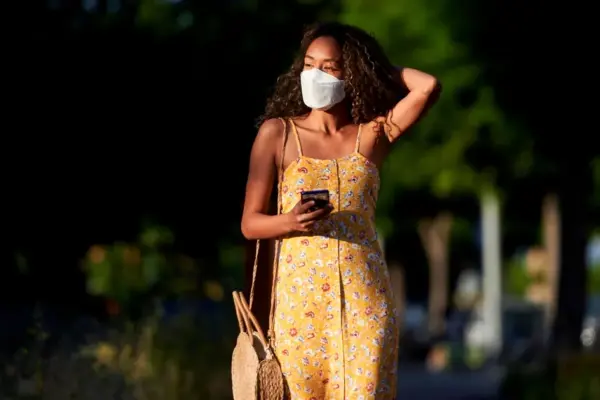
In addition to vaccination, public health measures remain essential. Many countries are reinstating mask mandates and social distancing protocols in high-risk areas, especially in healthcare settings and public transport. International travel remains subject to restrictions based on vaccination status and negative testing results, influencing tourism while aiming to keep populations safe.
Conclusion
The COVID-19 pandemic continues to evolve, and its management remains a priority for governments and health organisations worldwide. As we navigate 2023, it is critical to maintain vigilance in vaccination efforts and public health safety protocols to mitigate the impact of the virus. Ongoing research and responses will be vital, as the global community seeks not only to control the pandemic but also to build resilience against future health crises.
Readers should stay informed and engaged with reliable sources as the situation develops, ensuring they can adapt to any changes in public health recommendations and maintain their health and safety.
You may also like