Introduction
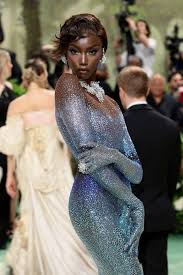
Anok Yai, a name that has been making waves in the fashion industry, captures the essence of diversity and representation. Born in Khartoum, Sudan, and raised in the United States, Yai emerged as a significant figure in modelling, particularly noted for becoming one of the first high-fashion models of South Sudanese descent. Her journey from social media to the runway underscores the importance of embracing diversity in fashion, a sector that has historically been critiqued for its lack of inclusivity.
Breakthrough Moment
Yai’s career took a pivotal turn in October 2017 when a photograph of her at a college party went viral, catching the attention of prominent fashion designer Pierpaolo Piccioli for Valentino. Recognising her potential, Piccioli invited her to walk in Valentino’s Spring/Summer 2018 show in Paris. This moment marked not only a personal milestone for Yai but also a significant progression for representation within high-fashion circles.
Career Highlights
Since her breakthrough, Anok Yai has graced the covers and pages of several prestigious fashion magazines, including Vogue and Harper’s Bazaar. She has collaborated with designers such as Marc Jacobs and has walked for numerous high-profile fashion brands, including Prada, Versace, and Fendi. Yai’s commanding presence on the runway and her striking features have made her a favourite among notable photographers and fashion insiders.
Significance of Representation
Yai’s rise to fame is especially impactful in light of the ongoing discussions surrounding diversity in fashion. The industry is gradually recognising the importance of showcasing models of varied ethnic backgrounds, sizes, and ages. By breaking barriers, Yai is helping to shatter the stereotypes of beauty in the fashion industry. Her success story serves as an inspiration for many young aspiring models, particularly those from underrepresented communities.
Looking Ahead
As Anok Yai continues to ascend in her career, she embodies hope for a future where representation is not merely a talking point but a standard practice within the fashion world. Looking ahead, it is anticipated that her influence will extend beyond the runway, potentially leading to collaborations that advocate for social issues and inspire inclusivity within the industry.
Conclusion
Anok Yai is not just a model; she is a beacon of change within an industry that is beginning to embrace the richness of diversity. Her journey resonates with many and highlights the importance of continuing to advocate for a more inclusive representation in fashion. As Yai further establishes her brand and influence, the broader implications of her success will likely continue to ripple through the industry, encouraging future generations of models to embrace their uniqueness and strive for their dreams.
You may also like