Who is involved
For decades, the dream of returning humans to the moon has lingered in the hearts of space enthusiasts and scientists alike. The last time humans set foot on lunar soil was during the Apollo 17 mission in 1972. Since then, expectations have ebbed and flowed, with many wondering when we might again witness the thrill of human space travel beyond Earth’s orbit. The Artemis program, initiated by NASA, has sought to reignite that dream, aiming to send astronauts back to the moon and eventually to Mars.
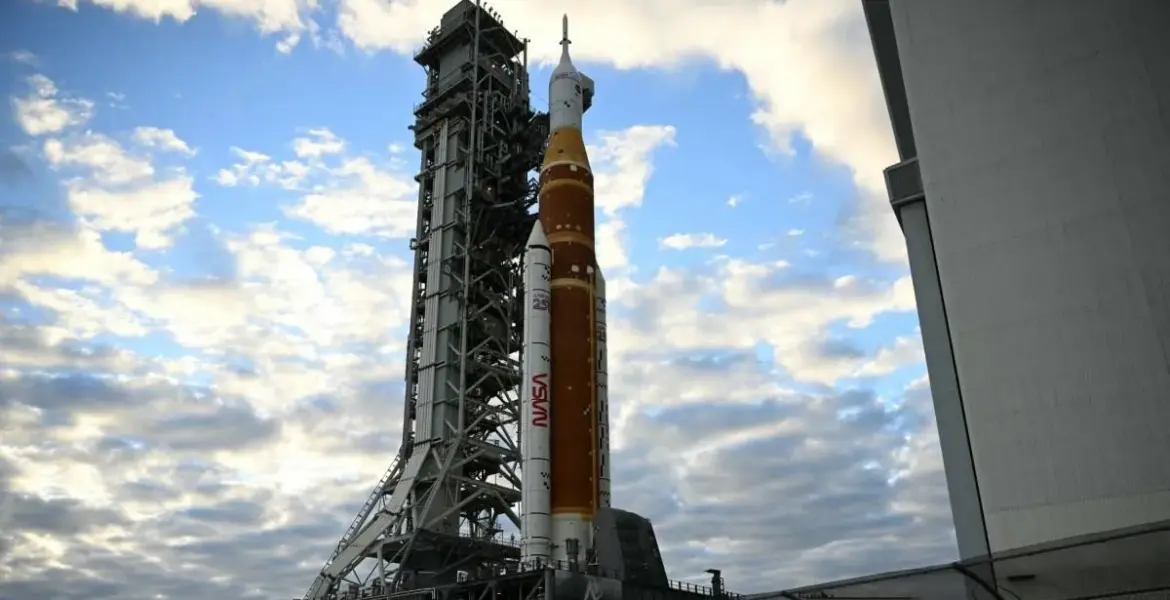
As anticipation built around the Artemis II mission, scheduled for April 1, 2026, the excitement was palpable. This mission, which will not land on the moon but will orbit it, represents the first time humans will leave Low Earth Orbit in 53 years. The crew, consisting of three NASA astronauts—Reid Wiseman, Victor Glover, Christina Koch—and Canadian astronaut Jeremy Hansen, is poised to embark on a 10-day journey that will take them around the moon before splashing down in the Pacific Ocean.
However, the path to this moment has not been without its challenges. The Artemis II mission has faced delays—two significant setbacks due to technical issues—casting a shadow of uncertainty over the timeline. Yet, as Libby Jackson, a prominent figure in the space community, noted, “NASA are just taking their time, and they have to get everything right, and it will launch when it’s ready.” This meticulous approach underscores the importance of safety and precision in space exploration.
The decisive moment for the Artemis II mission came when NASA confirmed the launch date, igniting a wave of enthusiasm and hope. With an estimated 400,000 visitors expected to flock to Florida’s Space Coast for the launch, the event is not just a scientific milestone but also a cultural phenomenon. The excitement is further amplified by the coinciding spring break vacation, leading to many sold-out accommodations in the area. As one observer remarked, “You’re guaranteed to get a beautiful view of the rocket launch at Florida’s Treasure Coast (so long as weather and clouds cooperate).”
The implications of this mission extend far beyond the immediate thrill of the launch. The Artemis program aims to lay the groundwork for future lunar exploration and eventual human missions to Mars. With Artemis III expected to launch in 2027, the stakes are high, and the world watches with bated breath. The Artemis II mission is a critical step in this ambitious journey, marking a return to the moon that many have long awaited.
As the launch date approaches, the excitement is palpable not just among the astronauts and NASA officials, but also among the general public who have followed the program’s ups and downs. The Artemis II mission is a testament to human ingenuity and resilience, showcasing what can be achieved when we dare to dream and push the boundaries of exploration.
In the end, the Artemis rocket launch is more than just a technical achievement; it is a symbol of hope and a reminder of our collective desire to explore the unknown. As we stand on the brink of this new era in space exploration, the world waits eagerly to witness history in the making. Details remain unconfirmed, but the spirit of adventure that drives humanity forward is alive and well.
You may also like