Introduction
In recent weeks, Bali has experienced severe flooding, impacting thousands of residents and tourists alike. The necessity of understanding these floods cannot be overstated, as they illustrate the ongoing challenges posed by climate change and the vulnerability of island nations to extreme weather events. This article delves into the recent flooding in Bali, examining its causes, effects, and the response efforts from local authorities.
Causative Factors Behind the Flooding
Bali, a popular tourist destination known for its lush landscapes, has been grappling with unseasonal heavy rainfall attributed to changing climate patterns. In October 2023, the Indonesian Meteorology, Climatology, and Geophysical Agency reported rainfall levels reaching up to 200mm in some areas within 24 hours. This intense precipitation, coupled with poor drainage systems in highly populated areas like Denpasar and Ubud, led to flash floods that affected residential areas as well as vital tourist spots.
Impact on the Community
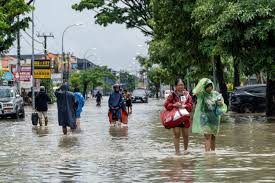
The floods have had a devastating impact on local communities. As of mid-October, over 5,000 residents were evacuated from their homes, with temporary shelters set up in schools and community centres. The floodwaters damaged infrastructure, destroyed crops, and disrupted transport services. Major roads were submerged, complicating rescue efforts and isolating several villages. Additionally, businesses dependent on tourism faced losses due to cancellations and diminished foot traffic, highlighting the economic repercussions of the disaster.
Response and Recovery Efforts
In response to the crisis, the Indonesian government deployed search and rescue teams to assist those affected. Local Non-Governmental Organizations (NGOs) worked alongside authorities to provide emergency supplies, including food, water, and medical assistance. The Bali Disaster Mitigation Agency is currently evaluating the damage while launching initiatives aimed at improving drainage and flood prevention measures. Experts suggest that enhancing infrastructure resilience will be critical in mitigating future flooding incidents.
Conclusion
The recent Bali floods underscore the pressing need for comprehensive strategies to address climate change’s impact on vulnerable regions. The local and national governments’ swift response is commendable; however, long-term planning is essential to prevent future disasters. As the island attempts to recover, the resilience of its community will be put to the test. For residents and tourists alike, staying informed and prepared is crucial in navigating the ongoing challenges posed by unpredictable weather patterns.
You may also like