Introduction
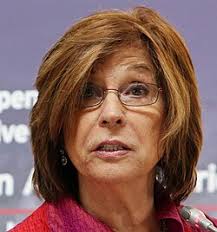
Baroness D’Souza, a prominent crossbench peer in the House of Lords, has made significant contributions to British politics through her advocacy on social issues and reforms. Her work has not only shaped debates within the Lords but also influenced public policy and community initiatives across the UK. As a champion for human rights and public service, Baroness D’Souza’s position carries a weight of responsibility that impacts legislation and the welfare of citizens.
Career Background
Born in 1945 in Mozambique, D’Souza established her academic credentials early on, earning a PhD in sociology. She began her professional journey in education and later transitioned to public service, becoming an expert on community engagement and human rights. In 2011, she was appointed to the House of Lords, where her independent stance has allowed her to address issues from a unique perspective, transcending traditional party politics.
Significant Contributions
Throughout her time in the House of Lords, Baroness D’Souza has been an active member of various committees, focusing on areas such as social security, migration, and equality. She has consistently advocated for a fair approach in policy-making that prioritises vulnerable groups. Especially notable has been her involvement in debates regarding the rights of asylum seekers and refugees, where she has pushed for humane practices in UK immigration policies.
Recent Events
In her recent speeches, Baroness D’Souza has highlighted the pressing issues exacerbated by the COVID-19 pandemic, including the inequalities in access to healthcare and the urgent need for a robust social safety net. Her call for a comprehensive reassessment of social care funding and public health strategy has resonated with many, prompting discussions about the role of government in ensuring the well-being of its citizens.
Conclusion
Baroness D’Souza’s work in the House of Lords signifies more than just legislative contributions; it reflects a commitment to social justice and reform. As the political landscape continues to evolve, her insights and advocacy will likely be crucial in shaping future policies that address inequality and rights in the UK. Observers can forecast that as she amplifies her efforts, the impacts of her advocacy will resonate not only in the corridors of power but also in the lives of everyday citizens.
You may also like