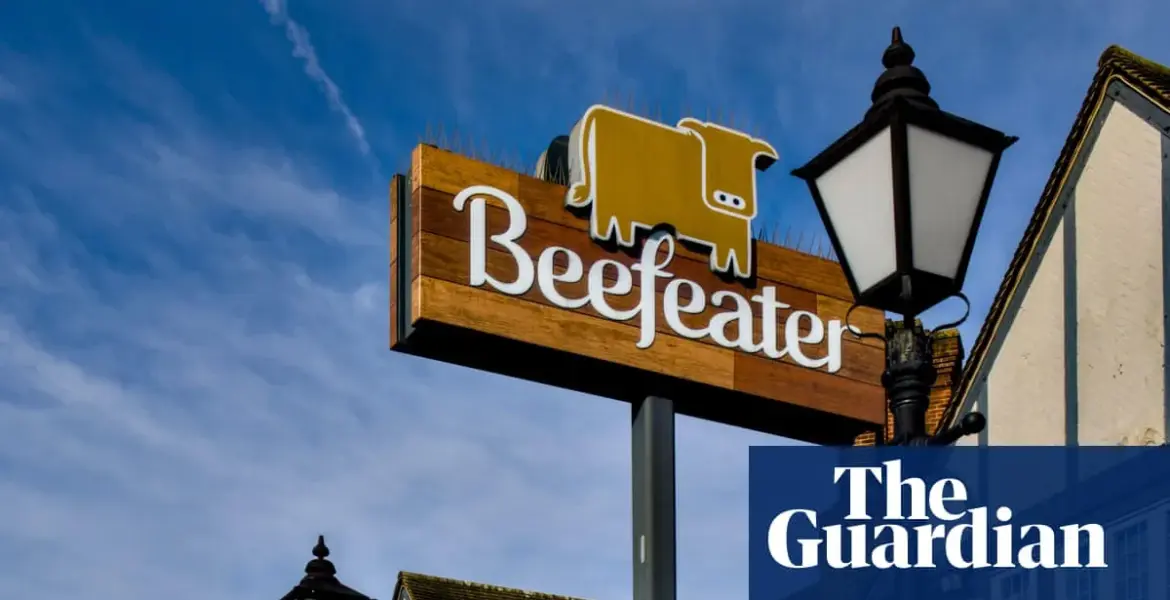
“It is disgraceful that Whitbread employees heard about the job cuts through the media,” said Colenzo Jarrett-Thorpe, expressing outrage over the recent announcement. On April 30, 2026, Whitbread revealed plans to close all remaining Beefeater and Brewers Fayre restaurants across the UK and Ireland, marking a pivotal shift in its business strategy.
These closures will result in approximately 3,800 job losses, leaving many employees uncertain about their futures. The company’s decision is part of a broader five-year plan aimed at transforming Whitbread into a “higher-margin, higher-returning pure-play hotel business,” according to CEO Dominic Paul. The brand, known for its casual dining experience since 1974, now faces an uncertain fate.
Whitbread has been under pressure from investors—particularly an American activist investor—to rethink its approach. With revenues stagnating over the past year and shares plummeting by 20%, the company is scrambling for solutions. “We’ve looked hard at the options open to us to maximise value creation over the medium and long-term,” Paul explained.
The new strategy involves converting existing restaurants into an integrated food and beverage model tailored for hotel guests. This move aims to save £250 million as part of cost-cutting measures while also planning to sell and lease back £1.5 billion worth of freehold properties.
Key facts about the closures:
- Approximately 3,800 jobs will be lost due to restaurant closures.
- Whitbread plans to convert its remaining restaurants into an integrated food and beverage model.
- The company aims for £250 million in cost savings as part of its new strategy.
- Whitbread intends to sell and lease back £1.5 billion of its freehold properties.
- The Beefeater brand has been part of the UK dining landscape since 1974.
The Unite union has voiced concerns, seeking consultations regarding these significant job cuts as workers brace for the impact of these decisions. With Whitbread’s workforce in the UK and Ireland at around 30,000, this restructuring could ripple through communities dependent on these jobs.
As Whitbread embarks on this transformation, stakeholders await further developments. The next steps remain crucial—both for those affected by job losses and for the future direction of the hospitality industry in Britain.
You may also like