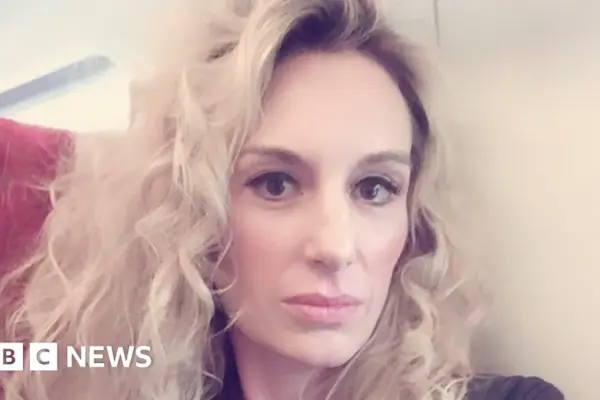
How far can one go in deceiving the system designed to support those in need? This question looms large in the case of Catherine Wieland, who defrauded the Department for Work and Pensions (DWP) out of more than £23,000 by falsely claiming she was too ill to go outside. The shocking revelation of her actions has sparked outrage and raised concerns about the integrity of the benefits system.
Wieland, who claimed that her anxiety was so severe it rendered her housebound, was found to have been living a life far removed from her claims. Evidence revealed that she had traveled to Cancun, Mexico, where she was caught surfing and ziplining, activities that starkly contradicted her assertions of being unable to leave her home. While receiving benefits, she also visited Thorpe Park three times, made 76 beauty appointments, and frequented 60 pubs, clubs, and restaurants.
The DWP’s investigation into Wieland’s claims uncovered a pattern of deceit that spanned over two years, during which she received Personal Independence Payment (PIP). Despite her claims of debilitating anxiety, she spent her disability benefits on manicures, tanning sessions, and even trips to a private Harley Street dentist. This blatant misuse of taxpayer money has left many questioning the safeguards in place to prevent such fraud.
What the data shows
Wieland’s actions have been described as an insult to hardworking taxpayers by DWP minister Andrew Western, who stated, “This is an insult to every hardworking taxpayer and to people who genuinely depend on PIP.” He further emphasized the severity of her deceit, saying, “Wieland lied repeatedly, milked the system for every penny she could get and then had the nerve to claim her condition was worsening while she was ziplining and surfing in Mexico.” Such statements underscore the frustration felt by many who contribute to the welfare system, only to see it exploited by individuals like Wieland.
After pleading guilty to failing to notify a change of circumstances, Wieland was sentenced to 28 weeks in custody, which has been suspended for 18 months. She is also required to repay £23,662 to taxpayers, a significant amount that reflects the seriousness of her actions. This case serves as a stark reminder of the consequences of benefit fraud and the impact it has on public trust in welfare systems.
In a twist that adds to the complexity of her case, Wieland submitted a review claiming her condition had worsened after her trip to Mexico. This raises further questions about the sincerity of her claims and the processes in place to evaluate the legitimacy of benefit applications. While she has been held accountable for her actions, the broader implications of her case continue to resonate.
As the dust settles on this troubling case, the DWP faces ongoing scrutiny regarding its ability to detect and prevent benefit fraud. The question remains: how can the system be strengthened to protect those who genuinely need assistance while ensuring that those who seek to exploit it are held accountable? The answers may not be straightforward, but the need for reform is clear.
You may also like