Introduction
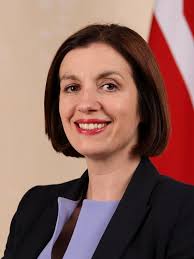
Bridget Phillipson, the Labour Member of Parliament for Houghton and Sunderland South, has emerged as a significant figure in UK politics, particularly since being appointed as the Shadow Secretary of State for Education in 2021. Her work embodies the growing influence of younger politicians within the Labour Party and represents a shift towards a new generation of leadership in British politics.
Background and Career
Born on 6th April 1983, Bridget Phillipson grew up in the North East of England. She attended the University of Oxford, where she studied History and Politics, and later connected with Labour’s values through her early involvement in local politics. Phillipson was first elected to parliament in the 2010 general election, and since then, she has held various roles, defending public services and advocating for education reform.
Influence in Education Policy
As Shadow Secretary of State for Education, Phillipson has been vocal about the importance of quality education for all children, particularly in the wake of the COVID-19 pandemic, which has exacerbated educational disparities across the UK. Her recent speeches have focused on pledging to increase investment in education, tackle the school funding crisis, and promote mental health support for students. She has been actively engaging with educators and local communities to understand their needs and concerns better.
Recent Developments
In recent months, Phillipson has been at the forefront of discussions about educational reforms, participating in various debates within the House of Commons. There has been increased scrutiny on the Conservative government’s handling of education policies, and Phillipson has seized the opportunity to position Labour as a credible alternative for voters concerned about education. Following the latest local elections, Labour has seen a resurgence in popularity, partly due to Phillipson’s engaging approach to education.
Conclusion
Bridget Phillipson is undoubtedly a rising star within the Labour Party and a significant influence on UK politics, especially regarding educational reform. Her proactive stance and dedication to improving the educational landscape resonate with both parents and educators alike. Looking ahead, her trajectory suggests she will play a central role in shaping the party’s policies and strategies as they prepare for the next general election. For readers, staying informed about her initiatives may provide insights into the future of educational policies in the UK and the broader political landscape.
You may also like