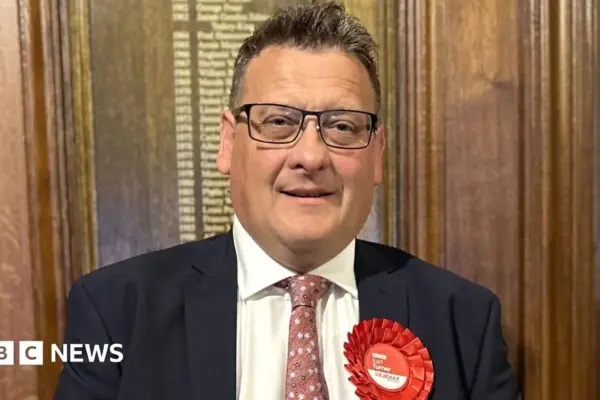
Introduction to the Caerphilly By-Election
The Caerphilly by-election held on 5 October 2023 has captured the attention of the political landscape in Wales. This by-election follows the resignation of Labour MP Wayne David, who held the seat since 2005, creating a crucial opportunity for both Labour and opposition parties to either maintain or alter the political dynamics in the region. By-elections often serve as a barometer for public sentiment, reflecting how local issues resonate with voters and influencing future elections.
Background and Significance
Caerphilly, located in South Wales, has been a Labour stronghold with its historical voting patterns favouring the party. However, recent polls suggested a shift in voter sentiment, making the by-election an intriguing contest. Speculation about Labour’s grip on the constituency arose from various factors, including national issues like the cost of living crisis, healthcare concerns, and local governance. The outcome of this by-election could signal changes for Labour’s overall strategy leading into the next general election.
The Candidates
In the by-election, Labour fielded their candidate, Shaheen Pasha, a local community leader with strong ties to the area. She campaigned on issues of social justice, public services, and environmental sustainability. The Conservative Party selected Chris Johnson, a businessman focused on economic issues and increasing local investment. Additionally, the Liberal Democrats nominated Philip Arthur, while Plaid Cymru’s candidate, Eira Williams, aimed to address Welsh independence and local concerns. Each candidate brought unique perspectives to the table, contributing to a multifaceted electoral debate.
The Campaign Dynamics
As the campaign progressed, debates and public forums highlighted the candidates’ differing visions for Caerphilly’s future. Local issues, such as housing, education, and public transportation, were repeatedly discussed. Voter engagement initiatives were widely undertaken, with parties utilising social media platforms and community events to rally support. The turnout for by-elections typically varies, but heightened interest suggests that many residents were eager to make their voices heard during this critical time.
Conclusion and Implications
The results of the Caerphilly by-election are set to provide valuable insights into the current state of politics in Wales and may predict potential shifts in the Labour Party’s stronghold. Analysts suggest that the outcome could have implications for how political parties strategise in future elections and engage with disenfranchised voters. As our political landscape evolves, the Caerphilly by-election exemplifies how local elections can have broader national significance, shaping policy and party direction.
You may also like