Introduction
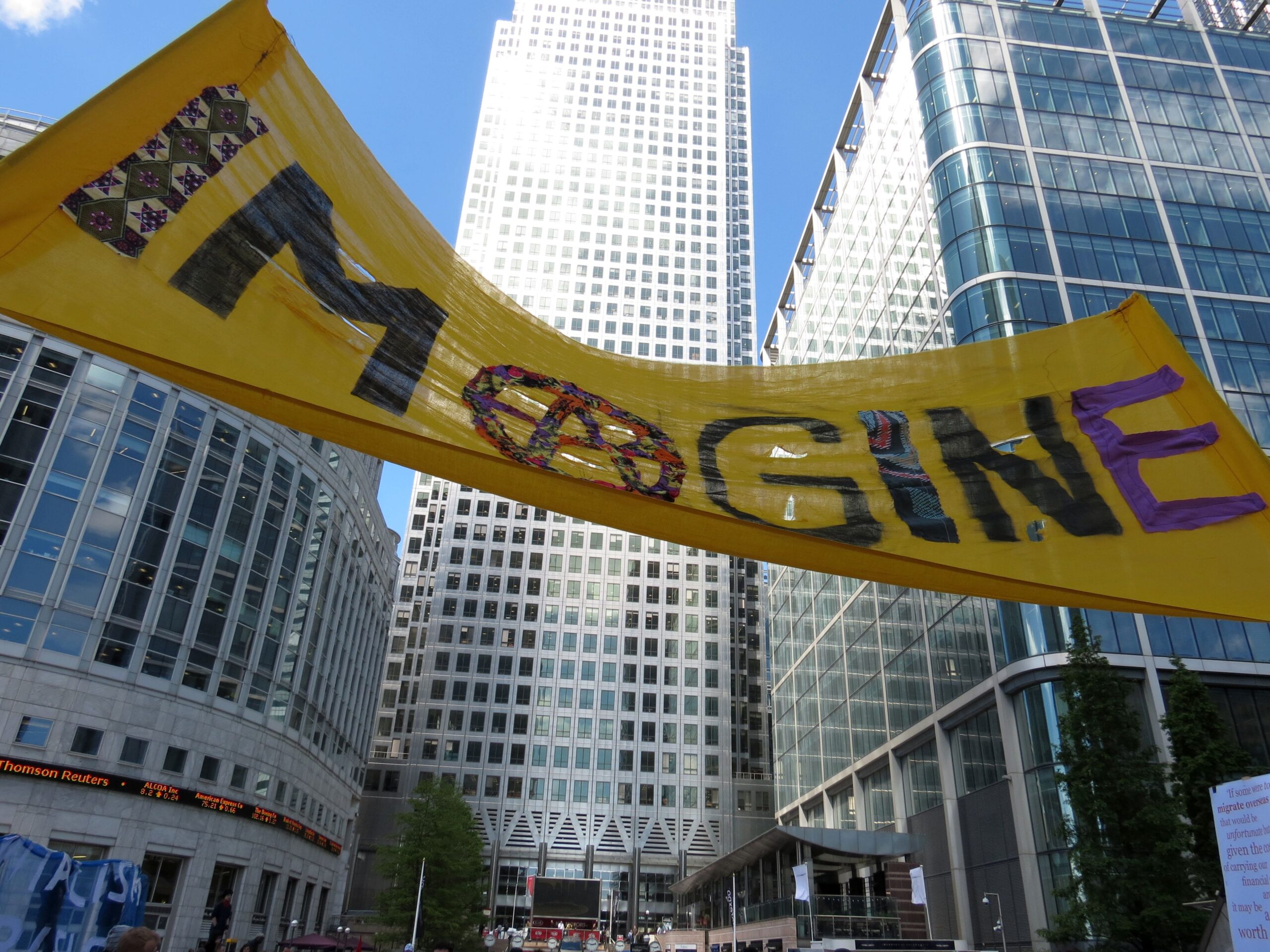
In recent weeks, the Canary Wharf area has become the epicentre of protests aimed at addressing socio-economic inequalities and corporate responsibility in the United Kingdom. This financial district, known for its towering skyscrapers and global corporations, has seen a burgeoning movement of demonstrators voicing concerns over various pressing issues, including climate change, workers’ rights, and wealth disparity. The protests have garnered significant media attention, stressing the importance of civic engagement in driving social change.
Details of the Protests
On multiple occasions over the last month, activists have gathered outside major financial institutions in Canary Wharf, calling for greater accountability from these corporations. The protests have been marked by vibrant demonstrations, including marches, sit-ins, and the distribution of pamphlets outlining their demands. Organised by groups such as Extinction Rebellion and Occupy London, the protests have drawn participants from various backgrounds, united by a common desire to combat what they perceive as systemic inequalities in wealth and opportunity.
One notable event occurred on 2 October, when several hundred protesters assembled outside JPMorgan Chase and HSBC, demanding a transition to sustainable investment practices. Activist Sarah Lawson stated, “The corporate sector has a moral obligation to prioritise environmental sustainability over profits. We are here to ensure that our voices are heard and action is taken.” The protests featured speakers from various advocacy organisations and community groups, amplifying their message to a broader audience.
Public Response and Impact
The protests have elicited mixed reactions. Many residents and passersby have expressed support for the movement, recognising the need for change in the face of rising living costs, climate crises, and the declining welfare of working-class communities. Conversely, some local businesses and financial workers have voiced concerns about disruptions to daily activities and potential economic repercussions due to the protests.
Conclusion
The Canary Wharf protests represent a pivotal moment in the ongoing conversation around corporate responsibility and social justice in the UK. With increasing public sentiment towards addressing environmental and social issues, activists are hopeful that their efforts will spur meaningful change. As the movement continues to grow, it stands as a reminder of the power of collective action and the vital role that public protest plays in shaping policy and societal norms. Moving forward, it will be crucial to monitor how these protests influence both corporate practices and government policies, as well as the voices of the people they seek to represent.
You may also like