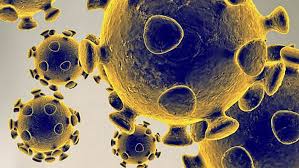
Introduction The emergence of new COVID-19 strains continues to shape the global response to the pandemic. Recently, health officials have identified a new strain that shows concerning mutations, prompting renewed discussions about vaccination, public health guidelines, and potential impacts on the ongoing fight against COVID-19. As the world adapts to life with the virus, understanding

Introduction to Meningitis Meningitis, an inflammation of the protective membranes covering the brain and spinal cord, remains a significant public health concern worldwide. This serious condition can result from viral, bacterial, or fungal infections, with bacterial meningitis being particularly severe and potentially life-threatening. Understanding its causes, symptoms, and preventive measures is essential for early diagnosis

Introduction to West Nile Virus The West Nile Virus (WNV) is a mosquito-borne virus that can cause severe neurological disease. First identified in Uganda in 1937, it has since spread across many parts of the globe, including North America, Europe, and Asia. With recent reports of increased infection rates in several regions, understanding the risks
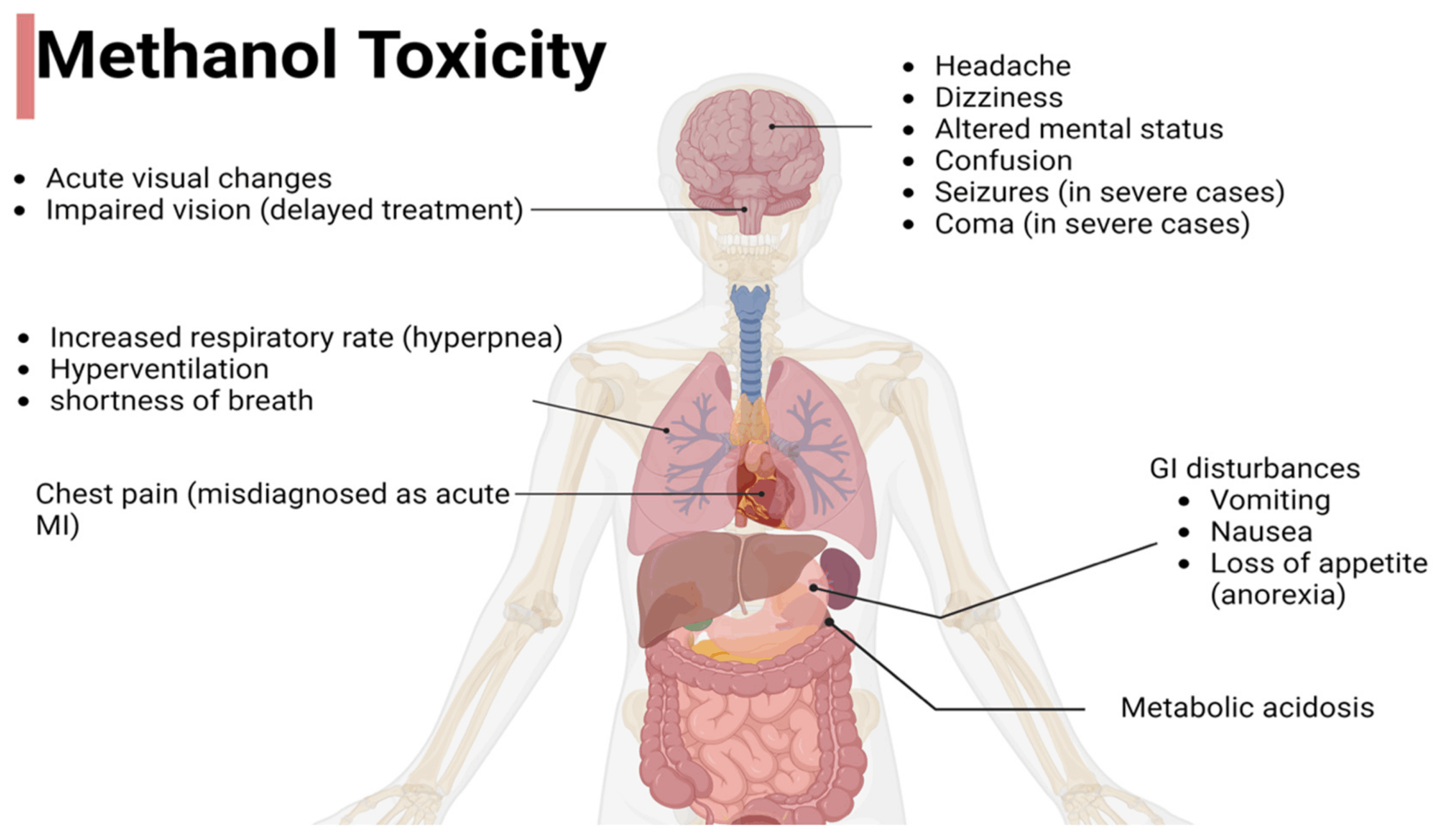
Introduction Methanol poisoning is an increasing public health concern, especially in regions where illicit alcohol production is prevalent. Methanol, a toxic alcohol used industrially, can lead to severe health complications or even death when ingested. Understanding the dangers of methanol and its implications is vital, particularly in the wake of recent incidents highlighting its risks.

Introduction Ehlers-Danlos Syndrome (EDS) is a group of connective tissue disorders that primarily affect the skin, joints, and blood vessel walls. Its significance lies in the fact that EDS is often underdiagnosed and misunderstood, yet it affects a substantial population worldwide. Awareness of EDS is crucial for improving diagnosis and management, as the condition can
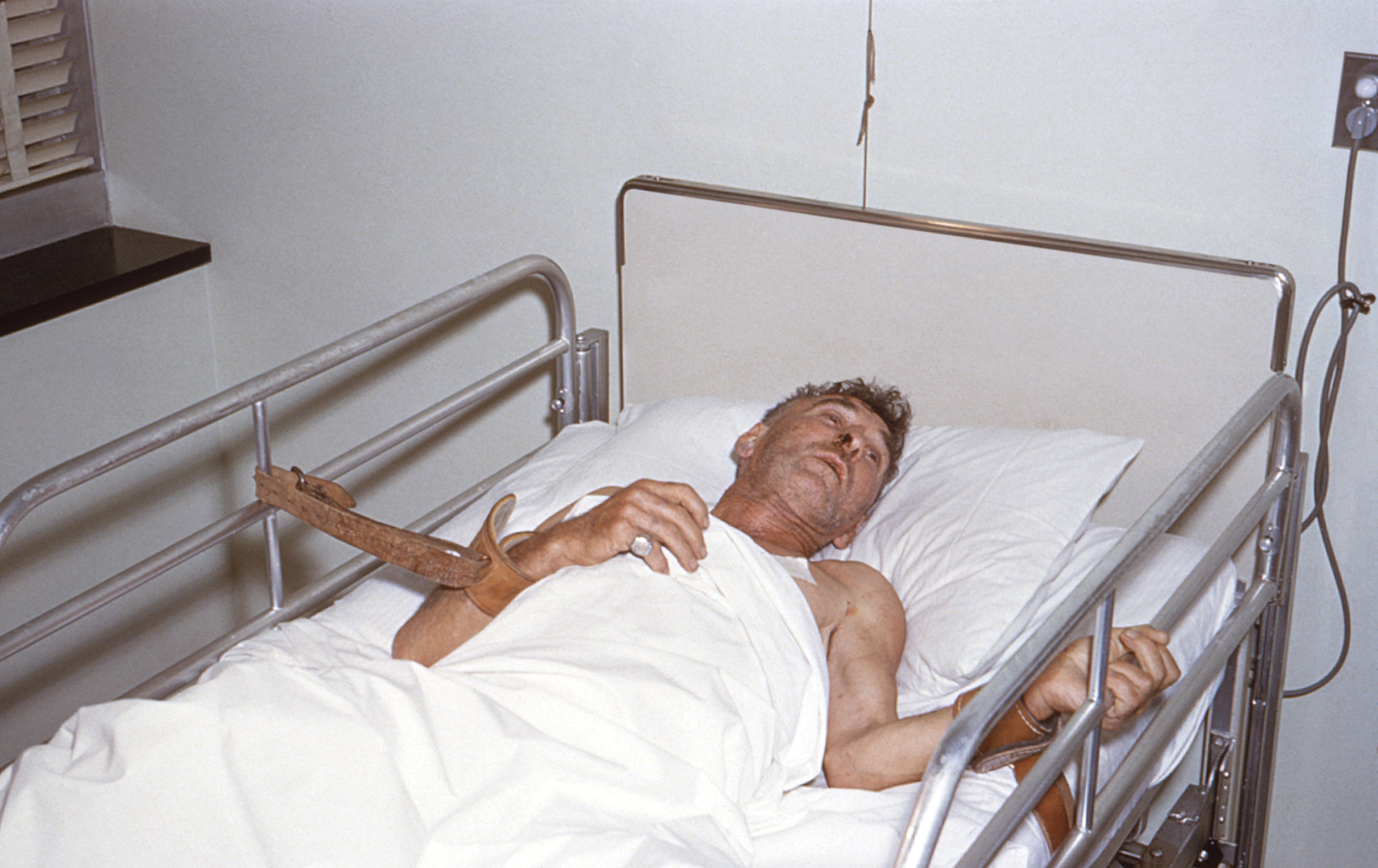
Introduction Rabies is a viral disease that poses a significant threat to public health around the world. This viral infection primarily affects mammals, including humans, and is most commonly transmitted through the bite of an infected animal. With rabies being responsible for over 59,000 deaths annually, it highlights the need for awareness, prevention, and control