
The Importance of London Bridge London Bridge, spanning the River Thames, serves as both a vital artery for transportation and a historical landmark in the heart of London. Its history dates back over 2,000 years, showcasing the evolution of one of Britain’s most recognisable structures. Understanding its significance helps contextualise the cultural and architectural developments

Introduction Neil Armstrong, the iconic astronaut who made history on July 20, 1969, by becoming the first human to set foot on the Moon, remains a vital figure in the annals of space exploration. His remarkable achievement continues to inspire countless individuals to reach for the stars, significantly influencing science, technology, and global perspectives on

Introduction The figure of Estêvão has captivated historians and enthusiasts alike, representing a significant part of cultural and historical narratives. While many might not be familiar with his contributions, understanding Estêvão is crucial for comprehending various aspects of societal development, especially in historical contexts. His influences extend across different regions and cultures, making his study

Introduction The Roman civilisation, one of the most significant empires in history, has left an indelible mark on modern culture, governance, engineering, and law. Its extensive reach and enduring legacy continue to shape various aspects of life today, making it crucial to explore its multifaceted importance. From the grandeur of its architecture to the fundamentals
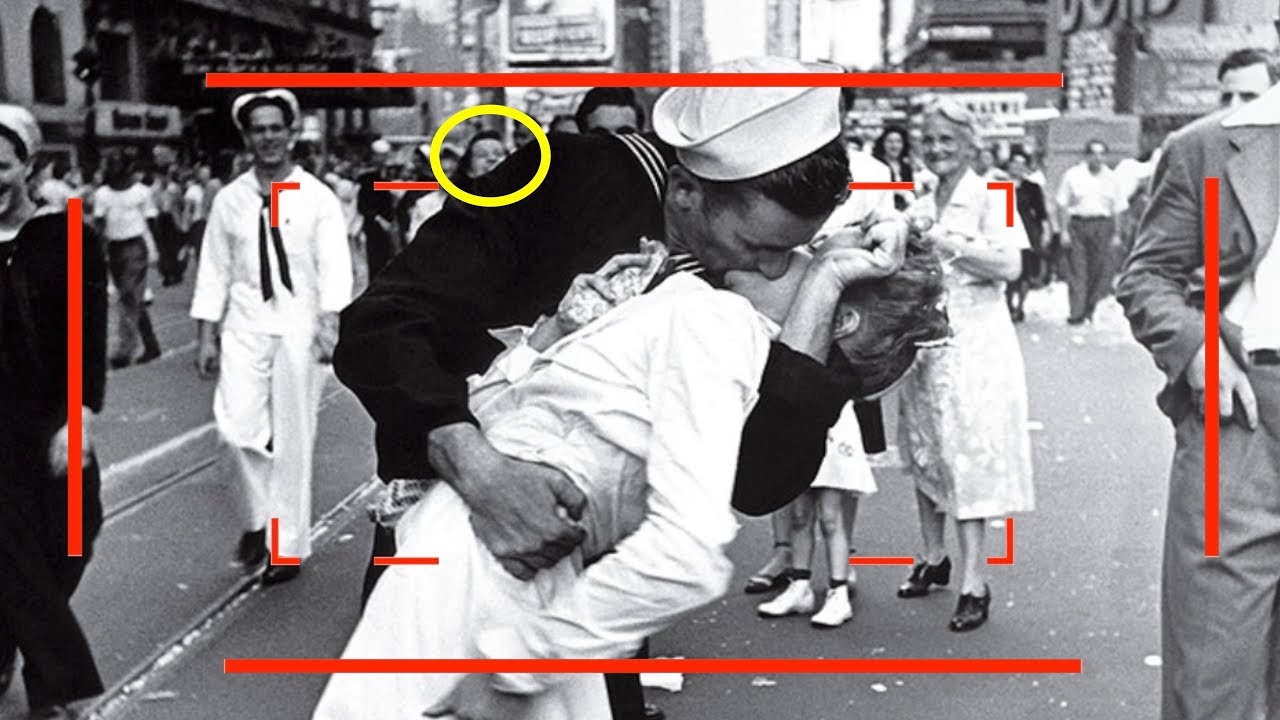
Introduction VJ Day, or Victory over Japan Day, commemorates the day on which Japan surrendered during World War II, marking the end of the conflict in the Asia-Pacific region. Celebrated on August 15 each year, this day is significant not only for the historical event it represents but also for its broader implications regarding peace

Introduction The study of history is vital for understanding not only our past but also how it shapes our present and influences our future. Knowing historical events helps individuals and society to make informed decisions, recognise patterns, and understand the complex world around us. As we navigate through contemporary issues, the lessons gleaned from history
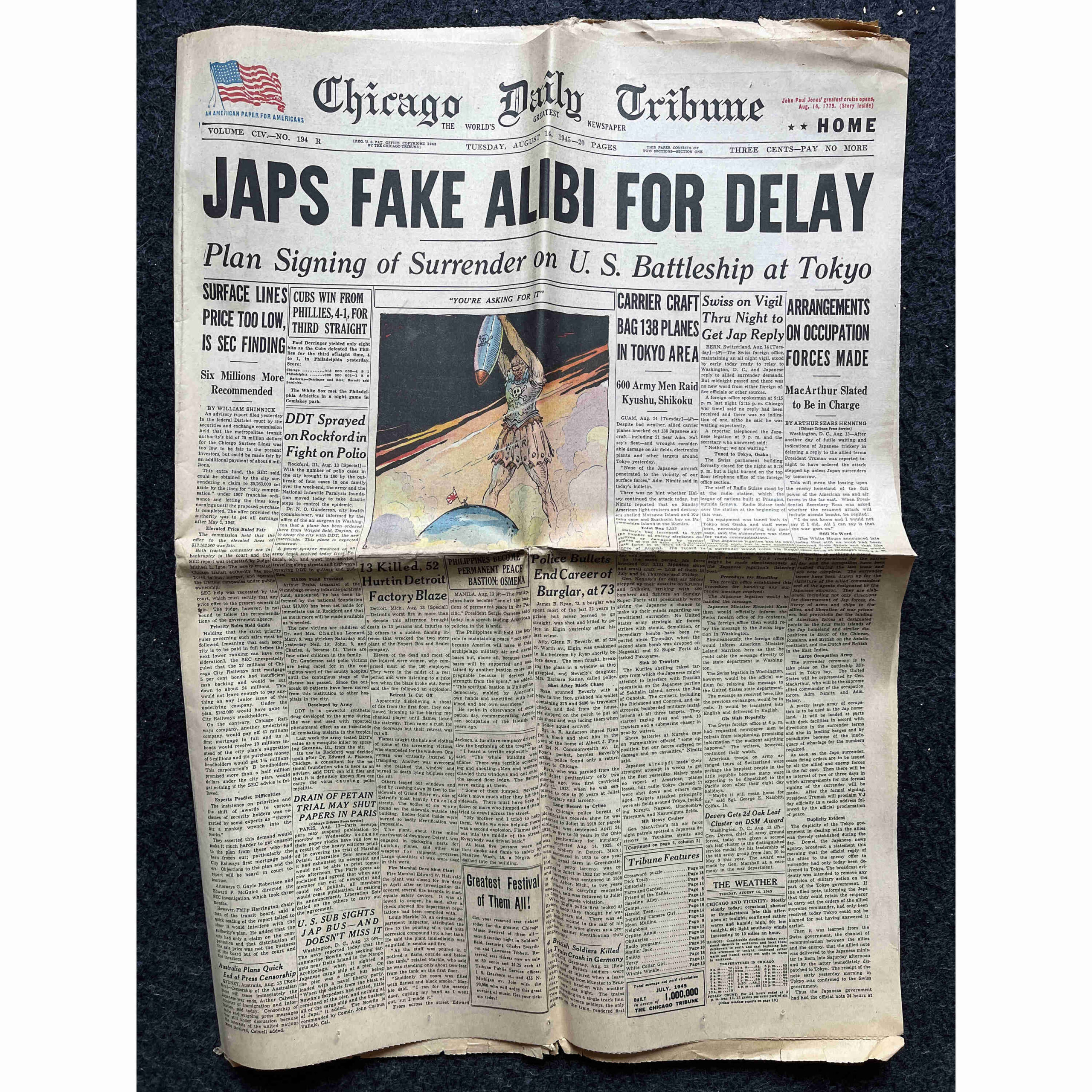
Introduction VJ Day, or Victory over Japan Day, holds a significant place in the annals of World War II history, marking the end of hostilities between Japan and the Allied forces. Celebrated on August 15th, 1945, and officially on September 2nd following Japan’s formal surrender, VJ Day symbolises not only the end of a devastating
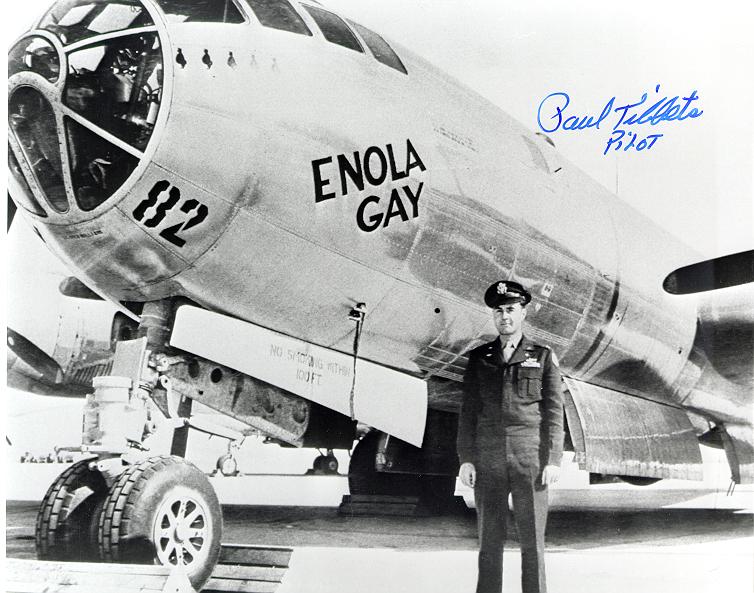
Introduction The Enola Gay, the B-29 Superfortress bomber that dropped the first atomic bomb on Hiroshima in 1945, remains a pivotal symbol of World War II and the ethical dilemmas surrounding nuclear warfare. Its relevance cannot be overstated as it serves as a reminder of the destructive capabilities of nuclear weapons and the impact of

Introduction Hibakusha, a term that translates to ‘explosion-affected people’, refers to the survivors of the atomic bombings in Hiroshima and Nagasaki during World War II. With significant implications for discussions on nuclear weapons, their stories serve as vital reminders of the devastating impact of atomic warfare, influencing both policy and public sentiment towards nuclear disarmament.

Introduction The Gilded Age, a term coined by Mark Twain and Charles Dudley Warner in their novel published in 1873, refers to a critical period in American history spanning from the 1870s to the early 1900s. It was characterized by significant economic growth, industrialisation, and a surge in wealth and capital accumulation, along with stark