
Introduction Eagles are among the most majestic and powerful birds of prey, symbolising strength and freedom in various cultures around the world. These remarkable birds are not only revered for their beauty but also play a significant role in maintaining ecological balance. Understanding their behaviour, habitat, and the challenges they face is crucial for fostering
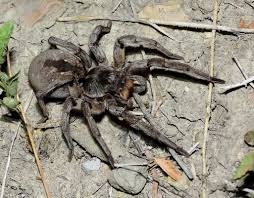
Introduction: Understanding Wolf Spiders Wolf spiders are a captivating and essential part of our ecosystem, renowned for their exceptional hunting skills and unique behaviours. Unlike other spiders, which may weave webs to catch prey, wolf spiders are active hunters, using their keen eyesight and agility to stalk and ambush. This ability not only makes them

Understanding Urban Foxes Urban foxes have gained prominence across the United Kingdom, adapting remarkably well to the urban landscape. As a species traditionally found in rural areas, their shift towards city living has sparked interest and concern among residents and wildlife enthusiasts alike. This transition presents a unique opportunity to examine how wildlife adapts to

Introduction The term ‘bucks’ refers to male deer, a vital component of many ecosystems. As mankind increasingly encroaches upon natural habitats, understanding the significance of bucks becomes crucial to wildlife management and conservation efforts. With increasing interest in sustainable hunting practices and biodiversity awareness, effective management of buck populations is essential for ecological balance and

Introduction Peacocks, particularly known for their stunning plumage, have captivated humans for centuries. These remarkable birds, belonging to the Pavo genus, are prevalent in many cultures and have significant ecological roles. As symbols of beauty and vibrancy, peacocks also highlight important aspects of biodiversity and conservation efforts, making their study essential not only in ornithology
Introduction Peacocks, particularly known for their stunning plumage, have captivated humans for centuries. These remarkable birds, belonging to the Pavo genus, are prevalent in many cultures and have significant ecological roles. As symbols of beauty and vibrancy, peacocks also highlight important aspects of biodiversity and conservation efforts, making their study essential not only in ornithology
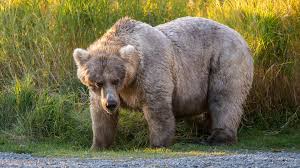
Introduction Fat Bear Week is an annual event that not only highlights the majestic bears of Katmai National Park in Alaska but also sheds light on vital wildlife conservation efforts. Each year, this unique event captures the attention of thousands as it celebrates the fattening bears preparing for hibernation, thus drawing public interest in preserving

Introduction to Tarantulas Tarantulas, often misunderstood due to their formidable appearance and reputation, are a diverse family of spiders belonging to the Theraphosidae family. These spiders play an essential role in their ecosystems, contributing to pest control and serving as prey for various animals. Their significance extends beyond ecology, as they have captured the curiosity

Introduction Orcas, also known as killer whales, are one of the most captivating marine mammals. These apex predators play a crucial role in the ocean ecosystem, and their complex social structures and behaviours have fascinated researchers and enthusiasts alike. Understanding orcas is essential for their conservation and for the health of marine environments they inhabit.

Introduction The false widow spider (Steatoda nobilis), a species native to the Canary Islands, has garnered attention in recent years for its presence in the United Kingdom and Ireland. This spider is often mistaken for the infamous black widow due to its similar appearance, leading to widespread concerns about its potential dangers to humans. With