Introduction
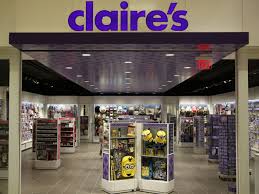
In a significant move reflecting the shifting landscape of retail, Claire’s, the popular accessories and jewellery retailer, has announced the closure of numerous stores as part of its ongoing restructuring efforts. Established over 50 years ago, Claire’s has been a go-to destination for young shoppers, making these closures noteworthy in terms of both economic impact and community presence.
Reasons Behind the Closures
The closures come as a response to declining sales and increased competition from both online retailers and discount chains. Claire’s has been struggling for several years to maintain profitability amid changing shopping habits, particularly as consumers increasingly turn to e-commerce. After filing for bankruptcy protection in 2018, the company has worked to streamline operations, yet recent reports suggest that foot traffic in physical mall locations remains well below pre-pandemic levels.
Details of the Store Closures
While specific store locations have yet to be publicly disclosed, Claire’s has indicated that the closures will predominantly affect its locations in North America, where the brand has a substantial retail footprint. Analysts suggest that the closures may particularly target stores in less profitable shopping centres or regions where competition is fierce. The restructuring plan aims to reposition Claire’s within the market by reducing operational costs and focusing on online sales channels, which have proven more resilient during recent challenging times.
Implications for Consumers and Communities
The implications of these closures extend beyond just the retail chain itself. For communities that have housed Claire’s stores for decades, these closures could lead to job losses and diminished shopping options for families and youth. Consumers will still have access to Claire’s products through their e-commerce platform, however, the loss of physical stores may alter the traditional shopping experience many young customers cherish.
Conclusion
The decision to close Claire’s stores marks a pivotal moment for the company and the retail sector at large. As trends towards online shopping continue, traditional retailers like Claire’s must adapt or risk obsolescence. Stakeholders, including employees and local communities, will be closely watching the outcomes of this restructuring, which reflects broader economic trends affecting the retail landscape. Future success will depend on how well Claire’s can transition to a more efficient, online-focused business model while maintaining its brand appeal among consumers.
You may also like