Introduction
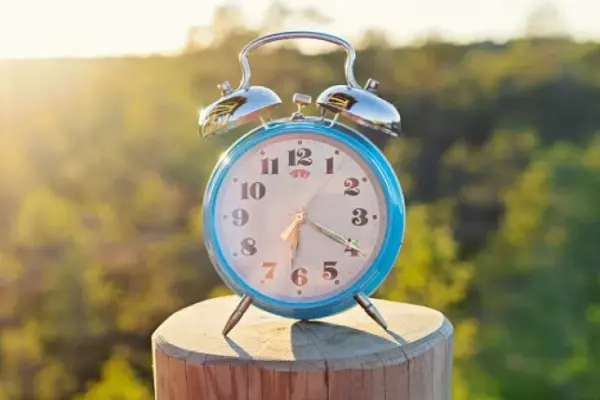
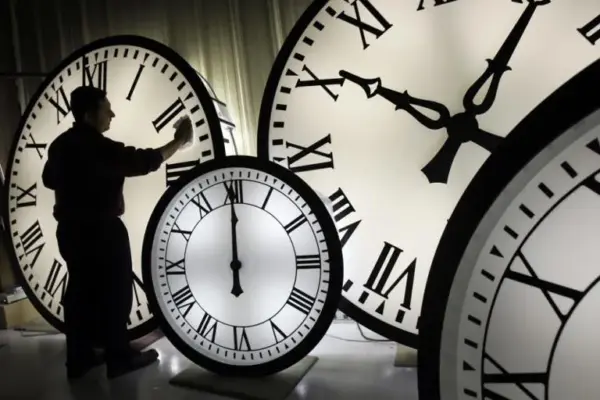
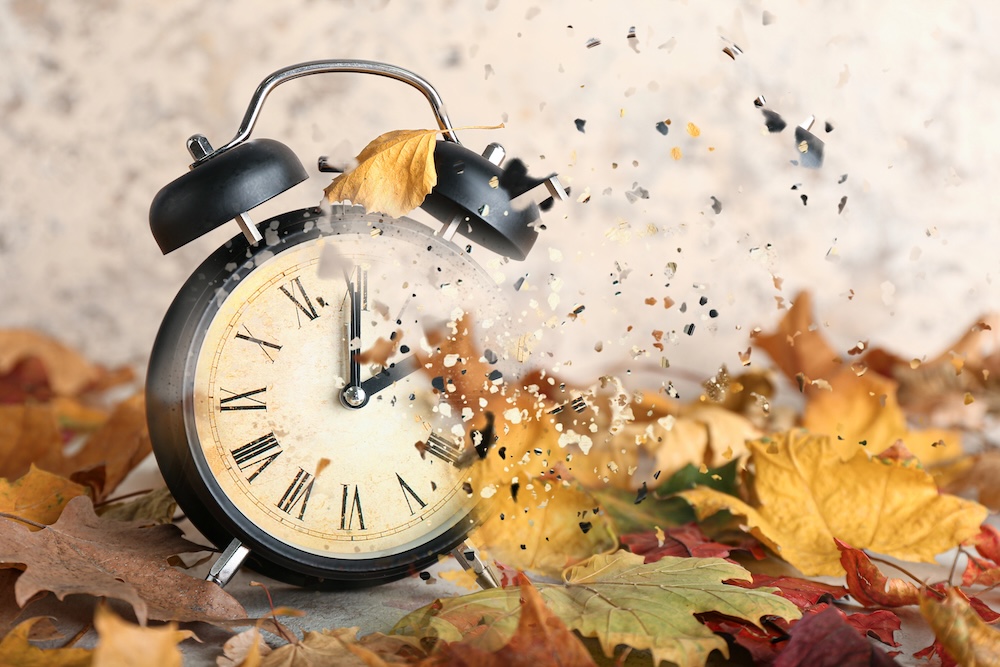
The recent clock change, known as ‘clocks went back’, took place in the UK on October 29, 2023. This twice-yearly occurrence is crucial as it marks the end of British Summer Time (BST) and the start of Greenwich Mean Time (GMT). As autumn settles in, this shift not only impacts the amount of daylight we experience but also has significant implications for people’s daily lives, energy consumption, and even mental health.
Understanding the Change
At 2 am on October 29, clocks were set back one hour to 1 am. This manoeuvre gives us an extra hour of sleep but results in earlier sunsets, with daylight disappearing by late afternoon. Studies have shown that transitions into shorter days can affect individual routines and productivity levels. It is important to prepare for these changes, especially for parents and those in education, as children’s activity schedules may need adjustment to cope with dwindling daylight.
Health and Lifestyle Implications
The shift towards shorter days can have various health considerations. Several studies suggest a rise in Seasonal Affective Disorder (SAD) during winter months. This condition, characterised by depression related to seasonal changes, is more common when daylight hours decrease. Practical strategies such as light therapy or increased physical activity are recommended to combat the effects of reduced daylight.
Energy Consumption and Sustainability
From an environmental perspective, the change in clocks can also influence energy usage. The shift aims to optimise natural light during the evenings, potentially reducing electricity consumption in homes and businesses. Industry analysts are closely observing the impact that earlier sunsets have on energy bills, with estimates suggesting households might save 5-10% on lighting and heating during the winter months.
Conclusion
The clocks went back is more than just a simple time change; it encapsulates issues of health, energy consumption, and lifestyle adaptation. As we settle into this seasonal transition, it is essential to consider its various implications. Looking ahead, experts forecast that awareness initiatives aimed at combating the potential negative effects of darker evenings will continue to grow, helping individuals adapt and make the most of the situation. For many, embracing the change and finding balance during the colder, darker months will be vital to ensure both mental and physical well-being.
You may also like