Introduction to Labour Party Polls
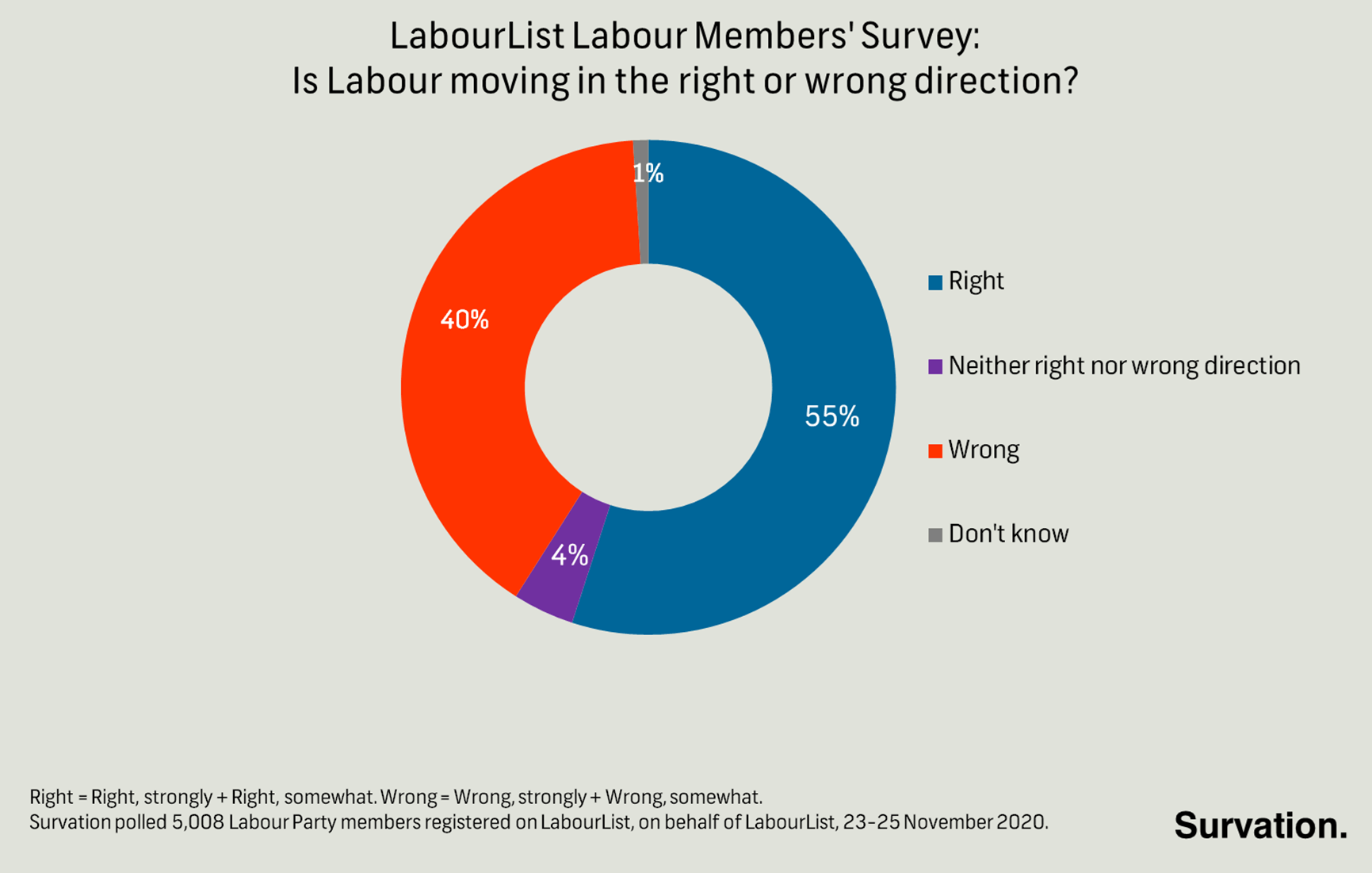
The Labour Party remains a significant force in UK politics, and understanding its polling figures is crucial for gauging public sentiment and political dynamics. As the nation approaches the next general election, Labour Party polls have become central to discussions about the party’s prospects and strategies.
Recent Polling Trends
As of October 2023, various polls indicate fluctuating support for the Labour Party. Recent surveys from YouGov and Ipsos MORI show Labour’s popularity hovering around 44%, while the opposition Conservative Party trails at approximately 30%. These figures suggest a substantial lead for Labour, attributed to widespread dissatisfaction with the government’s handling of the economy and social issues.
Factors Influencing Polls
Several factors are contributing to Labour’s rising support. The party’s commitment to addressing cost-of-living challenges resonates with voters. Issues such as energy prices, housing availability, and public sector pay have become central to Labour’s messaging. Furthermore, the party’s focus on climate action and social justice has attracted younger voters, enhancing its appeal among politically active demographics.
Public Perception of Leadership
Leadership perception also plays a critical role in shaping polling outcomes. Party leader Keir Starmer’s ratings have shown gradual improvement as he presents a more united front and clarifies Labour’s policies. His recent public appearances and debate performances have helped to bolster his image, demonstrating a commitment to transparency and accountability.
The Importance of Local Elections
Looking ahead, local elections scheduled for May 2024 will serve as a key indicator of Labour’s strength and electoral viability. Success in these elections could energise the party’s base and attract undecided voters. Analysts suggest that strong performances at the local level could pave the way for momentum heading into the general election, potentially solidifying Labour’s position as the party to beat.
Conclusion
In conclusion, the current Labour Party polls reflect an encouraging trend for the party amid a challenging political landscape. With a strong focus on addressing pressing issues and a clear leadership vision, Labour appears poised to capitalise on public sentiment as the next election approaches. Voters are advised to stay informed and engage with the evolving political narrative, as the implications of these polls could stretch far beyond the immediate future.
You may also like