Introduction: The Importance of Camino de Santiago
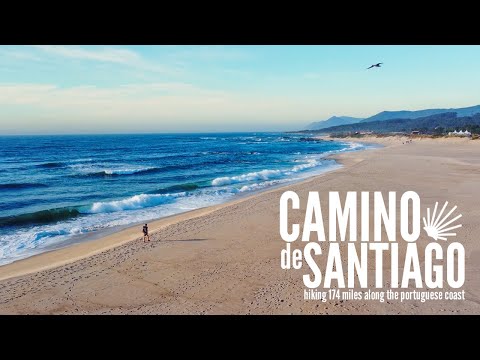
The Camino de Santiago, or the Way of Saint James, holds immense cultural, spiritual, and historical significance as it attracts thousands of pilgrims and hikers each year. This ancient pilgrimage route, leading to the Cathedral of Santiago de Compostela in Spain, has existed for over a thousand years. It serves as a reminder of humanity’s quest for purpose and connection, making it an increasingly relevant journey in today’s fast-paced world.
The Route and Its History
The Camino de Santiago comprises various paths that traverse multiple countries, with the most popular being the Camino Francés starting from the French Pyrenees. The pilgrimage route has witnessed a renaissance since the 1980s, drawing individuals from various backgrounds looking for both spiritual fulfilment and personal challenge. UNESCO recognized the Camino as a World Heritage Site in 1993, cementing its cultural significance and encouraging preservation efforts.
Recent Events and Trends
As of 2023, the Camino de Santiago has seen an uptick in foot traffic, largely attributed to a growing emphasis on wellness and outdoor activities. The COVID-19 pandemic sparked a renewed interest in local travel and exploration, leading many to find solace in nature and spiritual journeys. In the past year alone, over 300,000 pilgrims have registered their completion at the Santiago de Compostela Pilgrim Office, a significant increase compared to the previous years.
Local businesses along the way, from hostels to restaurants, are benefiting from this resurgence, contributing to the economies of the regions surrounding the Camino. Moreover, the proliferation of online forums and social media has created a community of adventurers sharing tips, experiences, and the transformative impact of the journey.
Conclusion: Significance for Future Generations
The Camino de Santiago continues to resonate with the spirit of adventure, community, and introspection. As more people embark on this pilgrimage, the route’s relevance only grows. In a world increasingly marked by digital interactions, returning to such a physical, communal experience offers a profound respite. Looking ahead, it’s likely that the Camino will evolve further; fostering dialogue on sustainability, cultural heritage, and personal wellness. Ultimately, for both seasoned pilgrims and first-timers alike, the Camino de Santiago promises an enriching journey through time, faith, and self-discovery.
You may also like