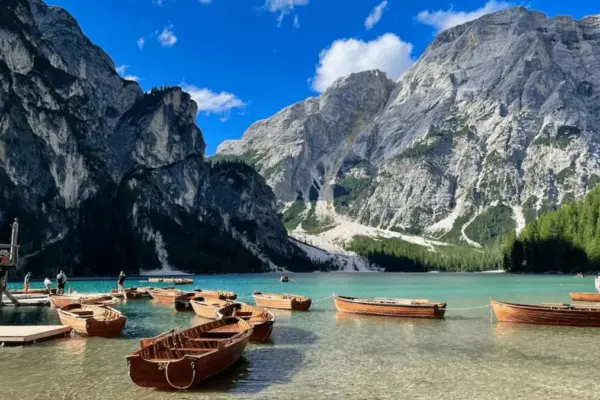
Introduction
The concept of Blue Tours has gained significant traction in recent years, as eco-tourism and sustainable travel grow in popularity. These tours focus on exploring coastal and aquatic environments while promoting conservation and responsible tourism practices. As concerns about climate change and biodiversity loss increase, Blue Tours offer a unique way to appreciate natural beauty while supporting local economies and preserving fragile ecosystems.
The Importance of Blue Tours
Blue Tours are not just mere holiday excursions; they embody a commitment to environmental stewardship and cultural respect. Tour operators are increasingly incorporating educational components into their itineraries, allowing travellers to learn about marine conservation, local traditions, and the diverse wildlife inhabiting coastal areas. For instance, initiatives that support coral reef restoration can be found in many regions, allowing visitors to contribute actively to nature preservation during their trips.
Current Trends in Blue Tours
Taking place in stunning destinations, Blue Tours often include activities such as kayaking, diving, whale watching, and guided nature hikes along the coast. Recent data shows a surge in demand for such experiences, with travel agencies reporting increased bookings for coastal destinations in 2023.
In the Mediterranean, regions like the Amalfi Coast and the islands of Greece have become hotspots for these sustainable travel experiences. Tour operators are developing packages that not only highlight the beautiful shorelines but also focus on culinary experiences featuring local seafood and traditional recipes, thus promoting local cultures along with environmental awareness.
Challenges and Opportunities
While Blue Tours offer numerous benefits, they also face challenges such as overcrowding and environmental degradation in popular areas. To mitigate these impacts, many operators are implementing measures like limited visitor numbers, timed entries, and eco-certifications to ensure sustainable practices are upheld.
Conclusion
As the travel industry continues to recover from the COVID-19 pandemic, the importance of sustainable tourism practices cannot be overstated. Blue Tours not only allow travellers to reconnect with nature but also encourage them to become active participants in preserving it. Looking ahead, the future of Blue Tours appears bright with significant growth potential, as more holidaymakers seek meaningful travel experiences that leave a positive impact on the planet and local communities. For travellers who wish to embrace adventure while also caring for the Earth, Blue Tours provide an ideal solution.
You may also like