Introduction
Moscow, the capital city of Russia, is one of the most significant cultural and political centres in the world. With a population of over 12 million, it holds both historical weight and contemporary relevance as a hub of commerce, education, and arts. As the nation continues to evolve amidst global changes, understanding Moscow’s role in both a historical and modern context has become increasingly important for global citizens.
Historical Significance
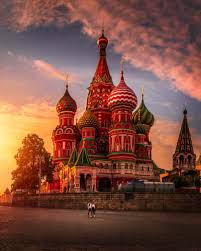
The history of Moscow dates back to the 12th century and has witnessed numerous transformations. It has served as Russia’s capital for centuries, with pivotal events such as the establishment of the Tsardom of Russia and later the Soviet Union, making it a city steeped in rich heritage. Landmarks including the Kremlin and Red Square not only reflect architectural grandeur but also encapsulate the city’s tumultuous history, including the Stalin era and the cultural renaissance following the collapse of the Soviet Union.
Modern Developments
Today, Moscow is thriving with economic advancement and technological innovation. Recent reports indicate that Moscow ranks third among European cities in terms of economic power and is a popular location for international businesses. The city has invested heavily in infrastructure, with projects like the Moscow Central Circle (MCC) enhancing public transport and urban mobility. Furthermore, the skyline is rapidly changing as new skyscrapers pop up, signalling a blend of tradition with modernity.
Cultural Landscape
Moscow is renowned for its cultural vibrancy, boasting numerous theatres, museums, and galleries that attract millions of tourists each year. Events such as the Moscow International Film Festival and Moscow Fashion Week illustrate the city’s commitment to the arts and its position on the global cultural stage. The city’s nightlife, culinary scene, and diverse neighbourhoods further enrich the experience of both residents and visitors.
Conclusion
As Moscow continues to navigate the complexities of the 21st century, its historical roots and modern aspirations play a crucial role in shaping the narrative of the city. Understanding Moscow not only offers insight into Russian heritage but also reflects broader global trends in governance, economics, and culture. For those looking to engage with a city that is both steeped in the past and eager for the future, Moscow remains a fascinating focal point in today’s world.
You may also like