Introduction
Multan, one of Pakistan’s oldest cities, is renowned for its rich history, vibrant culture, and significant economic role. Located in the southern part of Punjab province, it is often referred to as the ‘City of Saints’ due to its multitude of shrines and tombs dedicated to Sufi saints. The importance of Multan extends beyond its historical significance; it acts as a crucial hub for trade and agriculture in Pakistan, making it an area of relevance not only to local visitors but also to international observers.
A Glimpse into Multan’s History
Multan boasts a history that dates back over 5,000 years, making it one of the oldest continuously inhabited cities in the region. Its strategic location along the ancient trade routes has led to its development as a commercial centre. Various empires, including the Scythians, Persians, and Mughals, have left their mark on the city, evident in its architectural and cultural heritage. The grandeur of the Shah Rukn-e-Alam shrine, built in the 14th century, exemplifies Multan’s cultural richness and attracts thousands of pilgrims every year.
Culture and Lifestyle
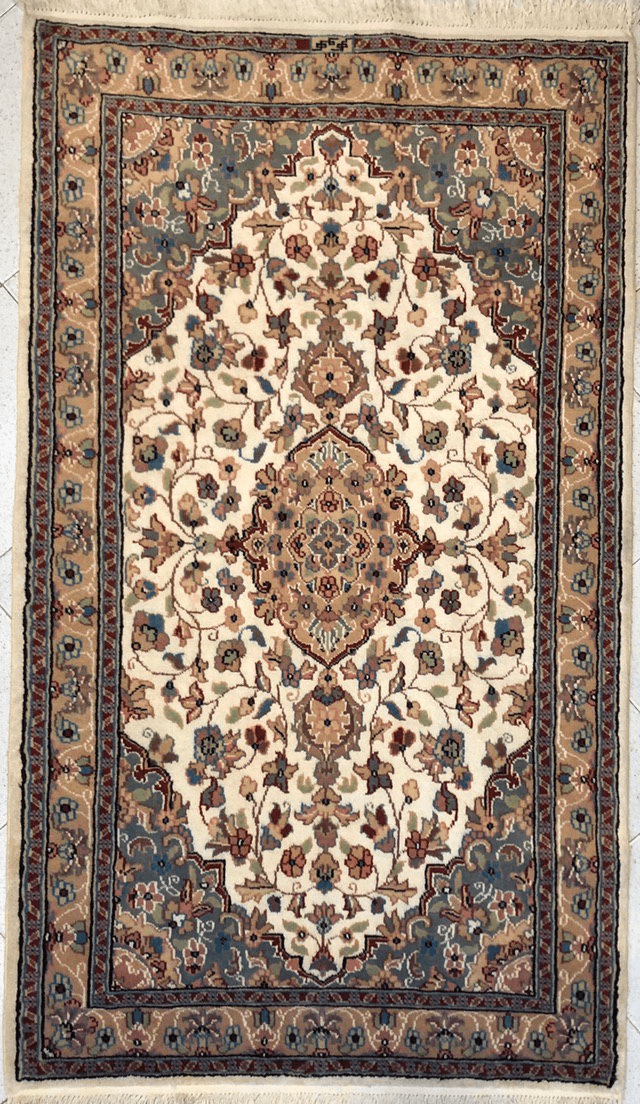
The lifestyle in Multan is a blend of traditional values and contemporary influences. The city’s bazaars are bustling with activity, offering a variety of handicrafts, pottery, and textiles. Multani embroidery, known for its intricate designs, is particularly famous. Festivals in Multan, such as the annual Multan Mango Festival, showcase the region’s agricultural bounty and attract visitors from across the country.
Economic Significance
Multan plays a significant role in Pakistan’s economy. Known as the ‘City of Jute’, it is also a major centre for the production of cotton, sugarcane, and citrus fruits. The establishment of the Multan Industrial Estate has stimulated local manufacturing and attracted investment. Furthermore, the city’s connectivity via road and rail enhances trade opportunities, making it an essential economic artery for the country.
Conclusion
As a city rich in history and culture, Multan stands out as a vital part of Pakistan’s identity. Its blend of ancient traditions and modern developments makes it a fascinating place for tourists and business alike. Looking forward, if the city continues to develop infrastructure and promote its cultural heritage, it is poised to gain even greater significance on both national and international stages. Multan is not just a city of the past; it is a thriving centre that will play an important role in the future of Pakistan.
You may also like