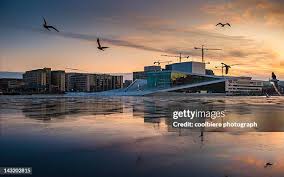
Introduction to Oslo
Oslo, the capital of Norway, is a city of remarkable contrasts where modern architecture meets rich history. As the largest city in Norway, Oslo plays a vital role as the cultural and economic heart of the country. Its stunning fjords, green spaces, and a rich array of museums make it an important travel destination and a significant site for Norwegian identity.
Oslo’s Cultural Significance
The city is renowned for its commitment to art and culture, exemplified by institutions such as the National Museum, which houses Norway’s largest collection of art, and the Munch Museum, dedicated to the works of Edvard Munch, the famous painter known for “The Scream.” Oslo also hosts numerous festivals celebrating everything from literature to music, reflecting a vibrant arts scene that attracts visitors globally.
Recent Developments
In recent months, Oslo has made headlines due to its environmental initiatives. The city has set ambitious goals to reduce carbon emissions by 95% by 2030. This has been facilitated by the development of extensive cycling paths, promotion of public transport, and initiatives to support electric vehicles. As a result, Oslo was named the European Green Capital in 2019, recognising its effective sustainable urban planning.
Additionally, in the wake of the COVID-19 pandemic, Oslo’s economy is gradually recovering. The city has seen a resurgence in tourism, with increased international travel following the relaxation of restrictions. Local businesses, especially in the hospitality and tourism sectors, are adapting by offering unique experiences that spotlight Oslo’s charm, such as guided nature hikes and culinary tours featuring traditional Norwegian dishes.
Outdoor Attractions
Nature is an integral part of Oslo, as the city is surrounded by the beautiful Oslofjord and numerous parks. Popular locations include Frogner Park, home to the famous Vigeland sculptures, and the Oslo Opera House, which offers breathtaking views as visitors can walk up its roof. The city also serves as a gateway for winter sports enthusiasts, providing easy access to ski resorts such as Holmenkollen.
Conclusion
Oslo stands as a beacon of culture, sustainability, and outdoor enjoyment in Norway. Its rich history, commitment to environmental responsibility, and beautiful surroundings make it a unique capital worth exploring. As the city continues to develop and promote its cultural heritage while addressing modern challenges, it remains a pivotal location for both residents and visitors alike. With expected growth in tourism and continuous improvements in urban living, Oslo’s significance will only increase in the coming years.
You may also like