Introduction
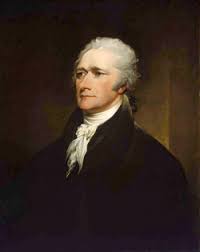
Alexander Hamilton, one of the most influential Founding Fathers of the United States, has become increasingly relevant in contemporary discussions about governance and economics. His role as a key architect of the American financial system and his visionary ideas on government structure continue to resonate in today’s political landscape. As the nation approaches significant economic challenges, Hamilton’s thoughts on fiscal policy and national identity are pivotal, making it crucial to delve deeper into his life and legacy.
Early Life and Career
Born on January 11, 1755, in Charlestown, Nevis, Hamilton rose from humble beginnings to become a leading figure in the American Revolution. His education and determination brought him to the forefront, serving as an aide-de-camp to General George Washington. His keen mind and insights allowed him to articulate the revolutionary cause effectively, earning respect and recognition that would pave the way for his influential role in the new nation.
Contributions to American Government
Following the Revolutionary War, Hamilton’s influence primarily shaped America’s financial and governmental frameworks. As the first Secretary of the Treasury under President Washington from 1789 to 1795, Hamilton laid the groundwork for the modern American economy. He established the nation’s first central bank, the Bank of the United States, and introduced policies such as the assumption of state debts, which was key in stabilising the fledgling economy.
Hamilton was a strong advocate for a federal government that possessed significant power — a stance that led to the formation of the Federalist Party. His Federalist Papers, co-authored with James Madison and John Jay, were instrumental in promoting the ratification of the U.S. Constitution and remain essential reading for understanding the foundations of American governance.
Legacy and Cultural Impact
Hamilton’s influence extends beyond politics and economics. His life has been revived in popular culture, notably through Lin-Manuel Miranda’s musical “Hamilton,” which has not only educated new generations about his contributions but has also sparked discussions on race, immigration, and the nature of American ideals. The diverse casting and the modern portrayal of Hamilton’s story have invited a wider audience to engage with American history, highlighting its complexities.
Conclusion
In conclusion, Alexander Hamilton’s legacy is significant and continues to shape American identity and policy conversation today. As economic challenges evolve and societal values shift, Hamilton’s vision of a robust federal government and a dynamic financial system provide critical insight for contemporary leaders. His life story encourages historians and citizens alike to consider how the foundational principles established over two centuries ago still impact governance and economic strategies in America. The continued exploration of Hamilton’s contributions will undoubtedly foster greater understanding and dialogue as the nation moves forward.
You may also like