Introduction
Senegal, located on the western coast of Africa, is renowned for its diverse culture, rich history, and significant geopolitical role in the region. With its democratic governance and growing economy, Senegal stands as a beacon of stability in West Africa. Understanding this country’s evolution provides insight into the broader tapestry of African progress and cultural heritage.
Recent Developments
In recent years, Senegal has made considerable strides in various sectors, particularly in renewable energy and agricultural sustainability. Just this month, Senegal hosted the International Renewable Energy Conference, aiming to showcase its advancements in solar and wind energy projects. Vice President Aissatou Sow highlighted the government’s commitment to transitioning to clean energy sources, with a target of achieving 30% renewable energy by 2030, a crucial step in combating climate change while promoting economic growth.
Additionally, Senegal’s agricultural sector is witnessing a transformation through initiatives that promote organic farming and local food production. During the recent ‘Terres de Cultures’ festival, farmers gathered to share sustainable practices that have boosted local economies. This festival not only celebrates agriculture but also promotes food security, which has become increasingly important amid global supply chain disruptions caused by the pandemic.
Cultural Significance
Senegal’s cultural richness is exhibited through its music, art, and cuisine. The country is famously home to the vibrant music genre of Mbalax, which blends traditional rhythms with contemporary sounds. Renowned artists like Youssou N’Dour have brought international attention to Senegal’s music scene, using their platforms to address social issues and promote unity.
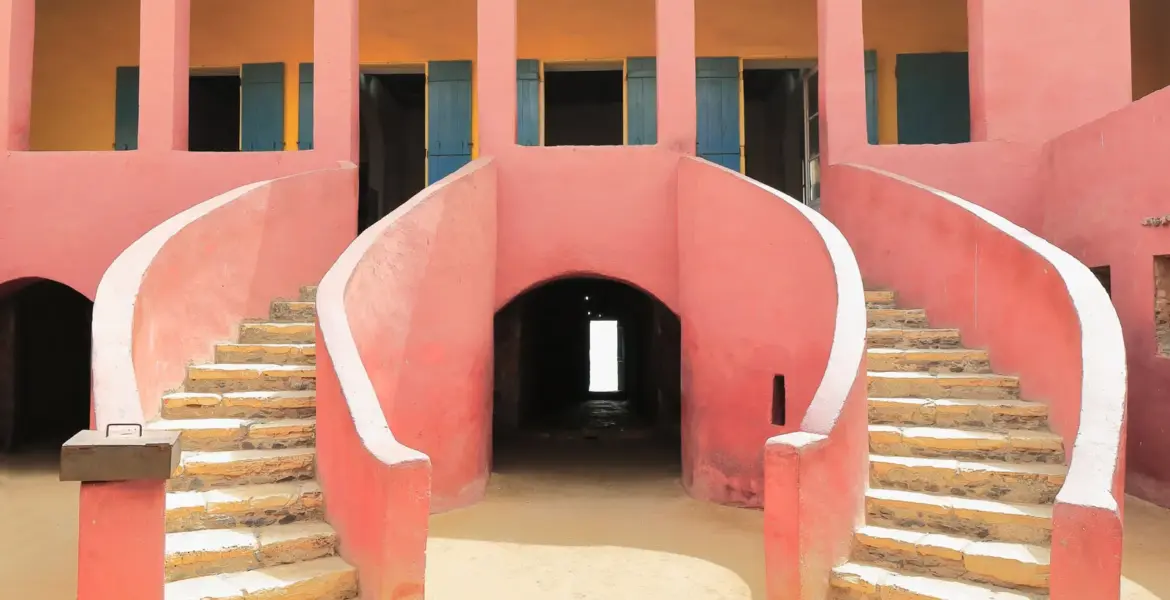
Moreover, cultural events, such as the Gorée Diaspora Festival, emphasize the historical links between Senegal and the African diaspora. This festival encourages dialogue on issues of identity, history, and culture, reinforcing Senegal’s role as a cultural hub in Africa.
Conclusion
Senegal continues to demonstrate a remarkable journey towards sustainable development while being rooted in its rich traditions. The ongoing efforts in renewable energy and agriculture signify a proactive approach to modern challenges, positioning Senegal as a leading example for other nations in the region. As international interest in Senegal grows, the world watches to see how this nation will navigate its future while remaining true to its cultural identity, making it a country of endless possibilities.
You may also like