Introduction
Dagestan, a republic in the North Caucasus region of Russia, is known for its extraordinary ethnic diversity, stunning landscapes, and vibrant culture. Home to over 30 ethnic groups, each with its own language and traditions, Dagestan presents both challenges and opportunities for social integration and economic development. As geopolitical tensions rise in various parts of the world, understanding Dagestan’s unique position becomes increasingly vital for both regional stability and cultural enrichment.
Geography and Demographics
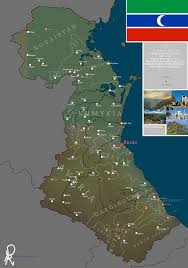
Dagestan is bordered by the Caspian Sea to the east and is characterised by its mountainous terrain, including parts of the famed Caucasus Mountains. The capital, Makhachkala, serves as a hub of economic and cultural activity. The population of Dagestan is approximately three million, including ethnic groups such as Avars, Dargins, Lezgins, and Kumyks, making it one of the most diverse regions in Russia.
Historical Context
Historically, Dagestan has been a crossroads of various cultures and a site of numerous conquests and migrations. The region experienced significant turmoil during the 19th century with the Russian conquest, which led to protracted conflicts and rebellions that shaped its contemporary socio-political landscape. More recently, the turmoil of the Chechen Wars in the 1990s and early 2000s had spill-over effects on Dagestan, contributing to ongoing ethnic tensions and security challenges.
Current Issues and Developments
In recent years, the Russian government has invested heavily in Dagestan to curb violence and promote economic growth. Infrastructure projects, tourism promotion, and educational reforms are key areas of focus. However, despite these efforts, the region still faces significant challenges such as poverty, unemployment, and sporadic violence stemming from extremist ideologies. The government’s approach to managing these issues remains critical for restoring stability.
Cultural Significance
Dagestan is also renowned for its rich cultural heritage, including traditional music, dance, and crafts. The region’s unique cuisine, often featuring lamb, dairy, and aromatic herbs, is a reflection of its cultural diversity. Festivals celebrating local customs are commonplace, promoting community cohesion and pride.
Conclusion
In conclusion, Dagestan represents a complex interplay of culture, history, and socio-political dynamics that are integral to the understanding of the North Caucasus region. As Dagestan continues to navigate its challenges and opportunities, the republic stands as a testament to resilience and diversity in the face of adversity. For outsiders, fostering a nuanced understanding of Dagestan may offer a richer appreciation of not only its regional significance but also its potential role in promoting peace and cultural exchange in the broader context of contemporary issues.
You may also like