Introduction
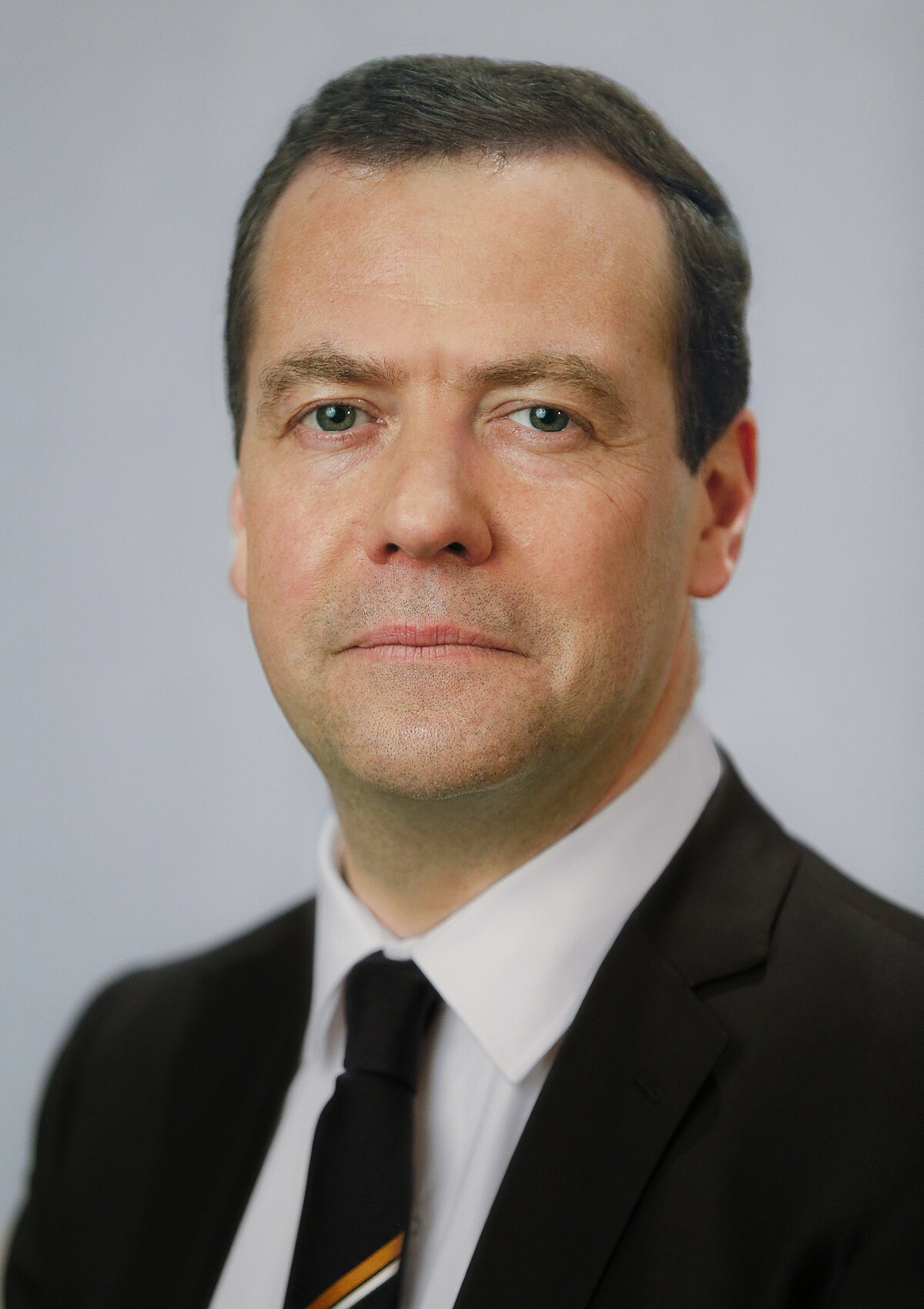
Dmitry Medvedev, having served as the President of Russia from 2008 to 2012 and as the Prime Minister since then, remains a significant figure in contemporary Russian politics. His actions and policies continue to shape not only the internal dynamics of the nation but also its international relations. With the ongoing geopolitical tensions, understanding Medvedev’s role is crucial for comprehending the future trajectory of Russia.
Early Political Career
Medvedev was born on September 14, 1965, and graduated from Leningrad State University in 1987. He began his political career in the 1990s under President Boris Yeltsin, where he held various positions. Ascending to prominence, he was appointed as first deputy prime minister in 2005, paving the way for his presidency.
Presidency and Policies
As President, Medvedev positioned himself as a reformist leader, advocating for modernization and technological advancement within Russia. His emphasis on the ‘Modernization of Russia’ included educational reforms and promotion of innovation. However, critics argue that many initiatives were undermined by the existing bureaucratic structures and political opposition.
Medvedev’s presidency coincided with a period of economic growth fueled by high oil prices, but he also faced challenges, including the international repercussions of the 2008 financial crisis. His continuation of Vladimir Putin’s policies, especially in foreign affairs, reduced the perceived impact of his reforms.
Post-Presidency Influence
After returning to the role of Prime Minister, Medvedev has maintained a significant presence in Russian politics. He is noted for his hawkish stance, especially regarding NATO and Western sanctions imposed on Russia after its annexation of Crimea in 2014. His remarks often reflect the government’s position on foreign policy, and he continues to play a central role in implementing domestic policies.
Conclusion
Dmitry Medvedev’s legacy in Russian politics is a complex tapestry of reformist aspirations and continuity with past policies. As Russia faces increasing global scrutiny and internal challenges, Medvedev’s influence will likely persist. Observers predict that his role will evolve in tandem with the international political landscape, making him a figure to watch closely in the coming years.
You may also like