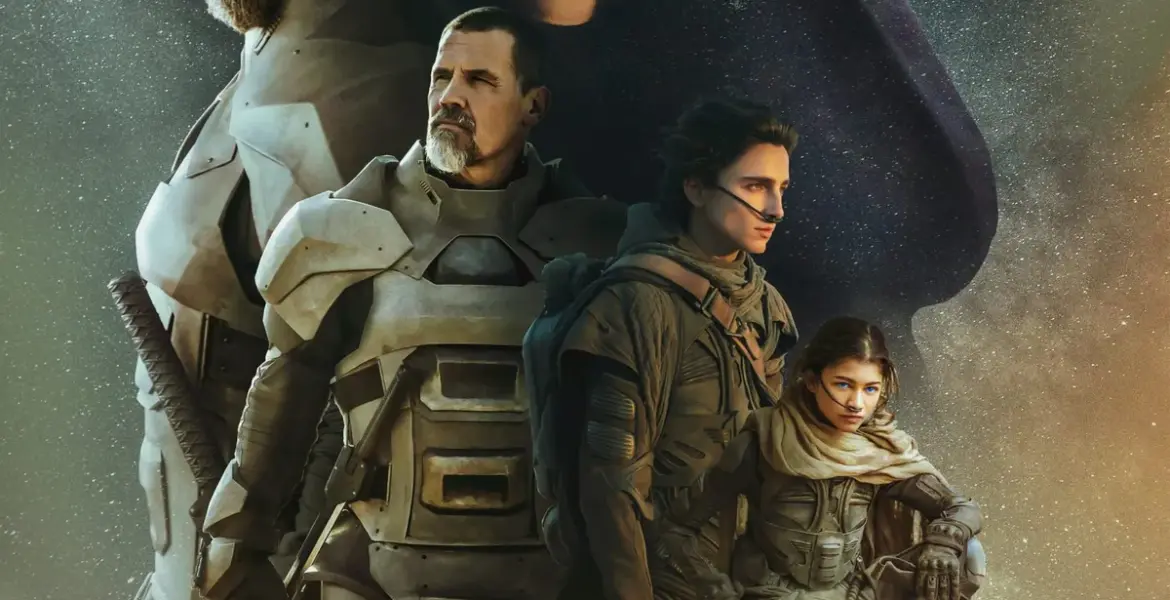
In Denis Villeneuve’s ‘Dune’, the director made a bold choice—he minimized special effects in the pivotal ‘Test of Fear’ scene. This decision aimed to enhance realism and draw audiences deeper into the story.
The ‘Test of Fear’ tests Paul Atreides’ mental fortitude, portrayed by Timothée Chalamet. Instead of relying on elaborate visual effects, Villeneuve focused on acting, sound design, and the audience’s imagination. The result? A gripping experience that feels raw and authentic.
Villeneuve has said, “I wanted the movie to be as realistic as possible.” He believed that true magic lies in nature and human emotion. By stripping away unnecessary special effects in this critical moment, he saved resources for other scenes—like those featuring giant sandworms, which required more advanced techniques.
This approach aligns with Frank Herbert’s vision in his science fiction classic. The film adaptation seeks to explain its fantastical elements from a naturalistic point of view. Villeneuve’s creative direction helps ground the story, making it relatable even amidst its otherworldly themes.
Key aspects of the ‘Test of Fear’:
- The scene involves a box that induces intense psychic pain.
- It challenges Paul Atreides’ inner strength and resilience.
- Villeneuve’s focus on realism allows for deeper emotional engagement.
As audiences continue to explore this sci-fi epic, questions linger about how such choices will influence future adaptations. With a sequel already in discussion, fans eagerly await what lies ahead for Paul and the richly woven universe of Dune.
You may also like