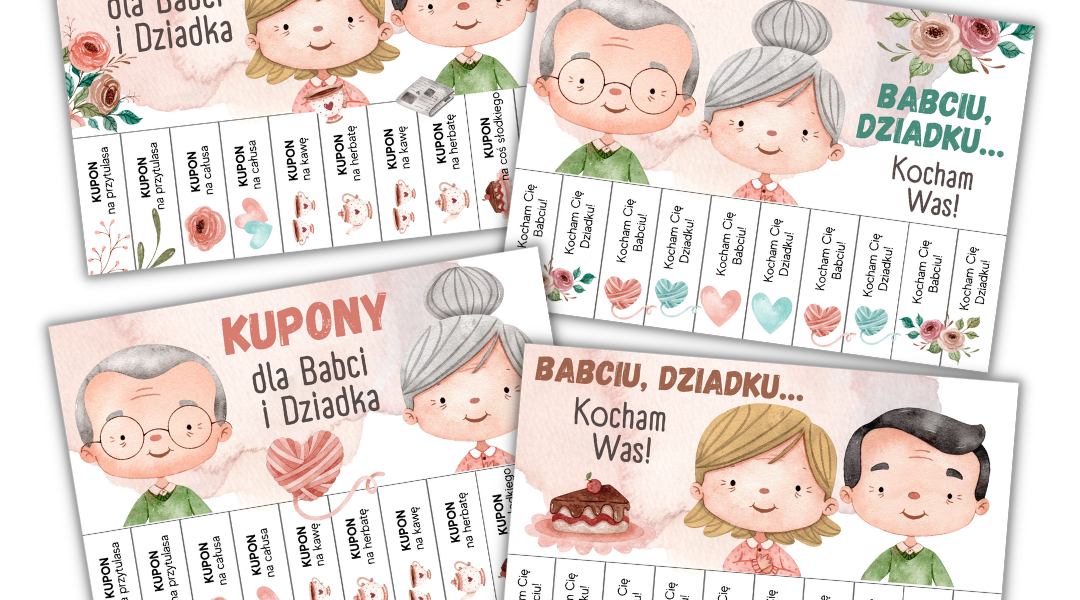
Introduction to Dzień Babci
Dzień Babci, or Grandmother’s Day, is celebrated annually on January 21st in Poland. This day holds significant cultural importance as it is dedicated to honouring and appreciating grandmothers for their invaluable contributions to families and society. With rising awareness of family values and intergenerational relationships, Dzień Babci serves as an important reminder of the role grandparents play in the lives of many.
History and Tradition
The origins of Dzień Babci can be traced back to the 1960s, initiated by a Polish newspaper to acknowledge the effort and love grandmothers invest in their families. The day has grown into a cherished tradition, with various celebrations and gestures of gratitude. Families often gather to celebrate, presenting grandmothers with flowers, gifts, and heartfelt messages to express their admiration. Traditional treats and meals are often prepared, showcasing cherished family recipes.
Current Celebrations and Activities
In recent years, Dzień Babci has gained even more momentum, with special initiatives in schools and communities. Students craft cards and artwork to give to their grandmothers, while schools often organise events where grandchildren perform songs and plays dedicated to them. Social media has also played a role in expanding the celebration, with many people sharing heartwarming posts and memories about their grandmothers. This underscores the deep bonds and the continual significance of these relationships in contemporary society.
Conclusion and Significance
Dzień Babci is more than just a day on the calendar; it is a celebration of love, wisdom, and the countless sacrifices made by grandmothers. As society continues to evolve, the importance of this day remains steadfast, reminding us to cherish and honour our elders. Looking ahead, it is likely that the celebration of Dzień Babci will only grow in significance. As families increasingly recognise the need for connection across generations, the messages of respect and gratitude will resonate deeply within Polish culture and beyond.
You may also like