Introduction
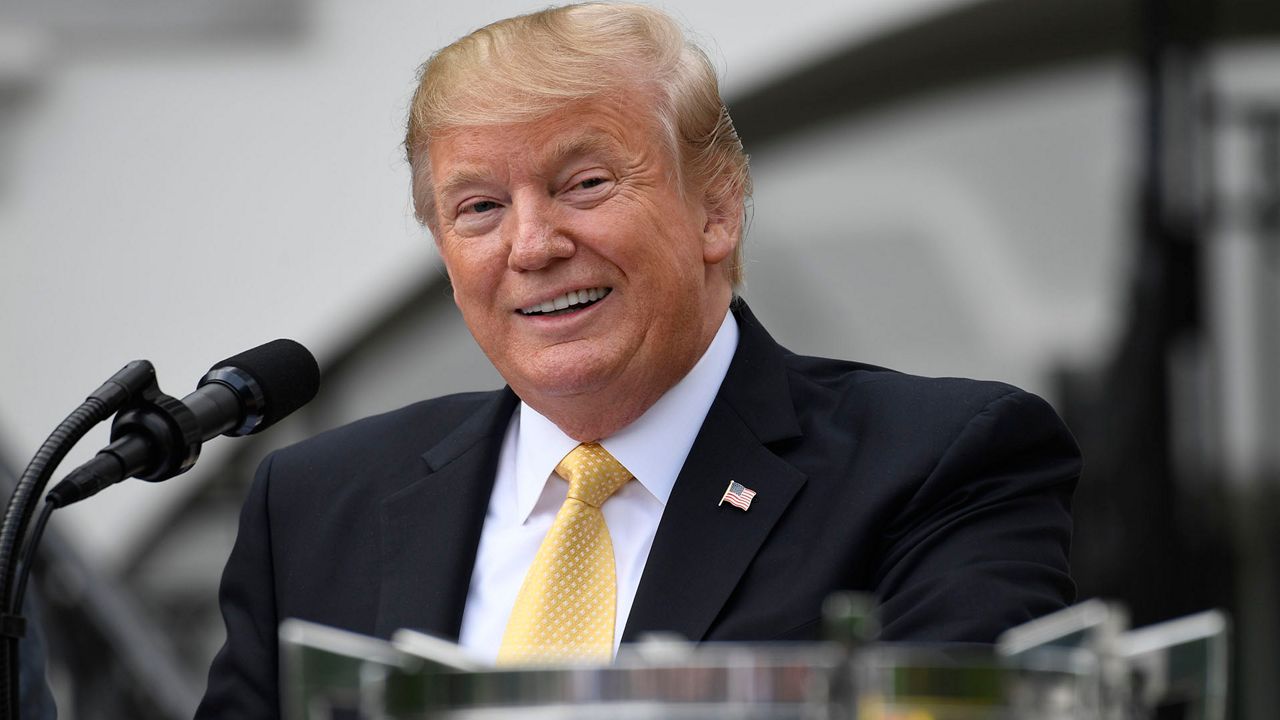
The tenure of President Donald Trump has been a defining period in recent American history, marked by fervent debate, policy shifts, and a polarised political landscape. As the first president to be impeached twice, his administration has left footprints on various aspects of governance, foreign relations, and the economy, which continue to influence the nation’s political discourse.
Key Policies and Actions
During his time in office from January 2017 until January 2021, President Trump implemented significant tax reforms with the Tax Cuts and Jobs Act of 2017, which aimed to stimulate economic growth but also raised concerns about increased national debt. His administration also pursued deregulation across various sectors, impacting environmental policies, healthcare, and education.
In foreign affairs, Trump’s approach was characterized by a combination of confrontational and isolationist tactics. The withdrawal from the Paris Climate Agreement and the Iran nuclear deal exemplified his tendency to reject multilateral agreements. Contrastingly, his administration facilitated the historic Abraham Accords, aiming to normalise relations between Israel and several Arab nations, indicating a shift in Middle Eastern geopolitics.
Trump’s Impeachments and Legal Challenges
President Trump is the only U.S. president to have been impeached twice, first in 2019 over accusations of abuse of power and obstruction of Congress related to the Ukraine scandal, and again in January 2021 after his supporters stormed the Capitol following his claims of a stolen election. Both impeachments have become pivotal moments in his legacy and prompted discussions about presidential accountability and the limits of executive power.
Post-Presidency Influence
Even after leaving office, Donald Trump’s influence remains significant within the Republican Party and among his base of supporters. His endorsements of candidates in various local and national elections continue to sway political tides, underscoring his ongoing relevance in American politics. Speculation about a possible run for the presidency in 2024 further fuels discussions surrounding his impact on both the Republican Party and the broader political spectrum.
Conclusion
As the United States grapples with its political landscape, President Donald Trump’s legacy is increasingly scrutinized. His polarising policies, bold rhetoric, and the events leading to the Capitol riots have left an indelible mark. Future analyses will undoubtedly focus on how future administrations, both Republican and Democratic, address the issues brought forth during his presidency and how his approach will shape political norms. As the nation moves forward, the debates around Trump’s presidency will likely continue to influence political dialogue, making it essential for citizens to engage comprehensively with these significant developments.
You may also like