Introduction
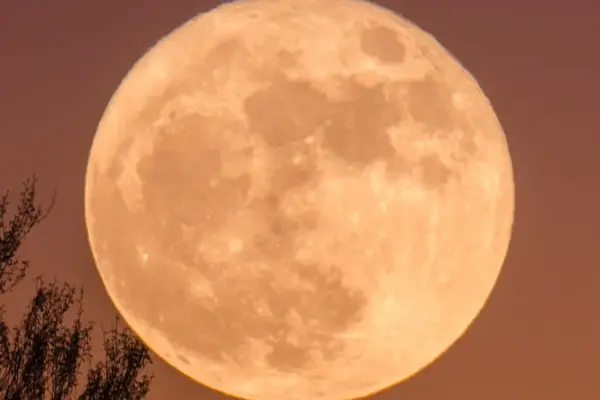
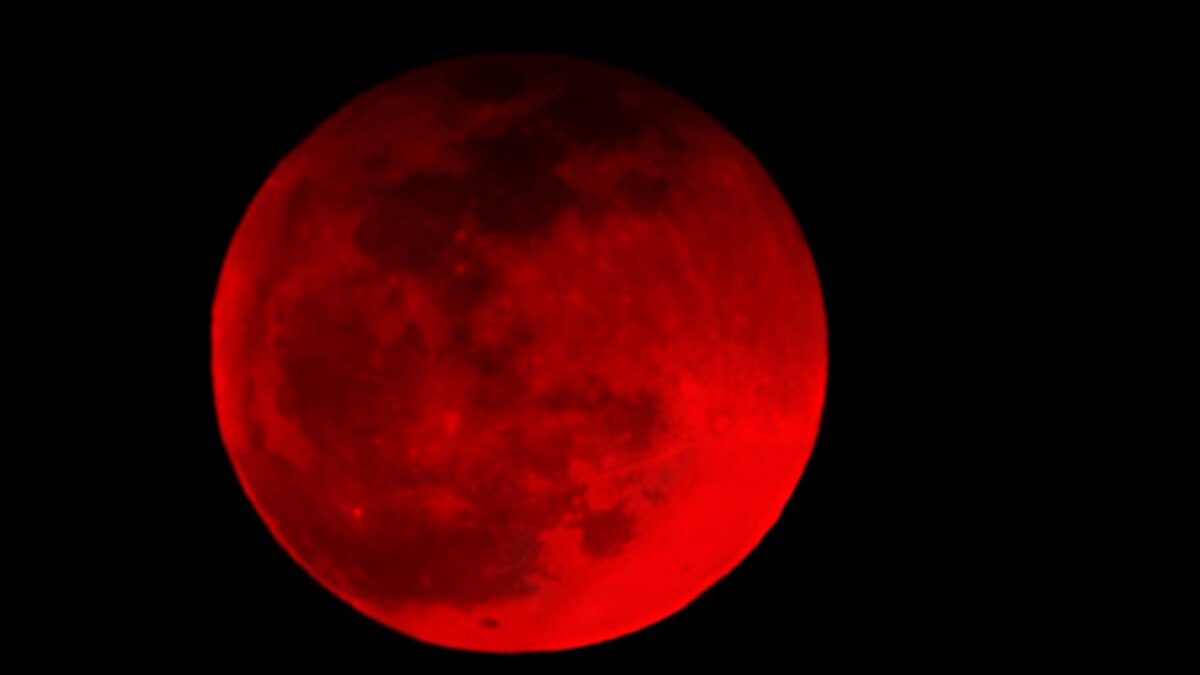
The ‘blood moon’ is a term that describes a total lunar eclipse, where the Earth positions itself between the sun and the moon, casting a shadow that causes the moon to appear red. This fascinating phenomenon captures the attention of astronomers and casual stargazers alike due to its striking visual impact and rarity. The upcoming blood moon event on November 8, 2022, has garnered widespread interest, as it presents an opportunity for both educational exploration and public engagement with astronomy.
The Science Behind the Blood Moon
The reddish hue seen during a blood moon results from Rayleigh scattering, the same effect that causes sunsets to appear red. When the Earth’s atmosphere filters sunlight, the shorter blue wavelengths scatter out, allowing the longer red wavelengths to reach the moon’s surface. During a total lunar eclipse, light from all sunsets and sunrises currently happening on Earth casts onto the moon, resulting in this captivating colour change. Astronomers emphasise that while the blood moon is visually stunning, it is also an important part of understanding eclipses and the dynamics of the Earth-Moon-Sun relationship.
Upcoming Events and Historical Context
In recent years, several blood moons have captivated audiences, including a notable series between 2014 and 2015 known as the ‘Tetrad.’ This sequence of four consecutive total lunar eclipses caught the fascination of many, particularly within certain cultural and religious communities who believe these events hold special significance.
Looking ahead, the astronomical community is excited about the November 2022 blood moon, which will be accompanied by a partial solar eclipse earlier in the month. Observing these events can be an excellent way for schools and community groups to engage the public in science, inspiring future generations of astronomers and scientists.
Conclusion
The blood moon is more than just a beautiful sight in the night sky; it represents an intersection of art, science, and curiosity. As we approach the November event, skywatchers, educational institutions, and the scientific community will come together to witness this incredible occurrence. Future blood moons will continue to offer both opportunities for research and a chance to connect people with the wonders of the universe. As awareness and interest grow, so too do the opportunities for public engagement and education in astronomy, making each blood moon an extraordinary event to anticipate.
You may also like