Introduction to Banjul
Banjul, the capital city of The Gambia, is not only the country’s gateway to the Atlantic Ocean but also a significant hub of cultural heritage and political activity. Known for its rich history and diverse population, Banjul stands as a symbol of the Gambia’s past and future. The relevance of Banjul today is amplified by its recent efforts toward urban development, tourism, and sustainability, making it a focal point for both local and international attention.
Geography and Significance
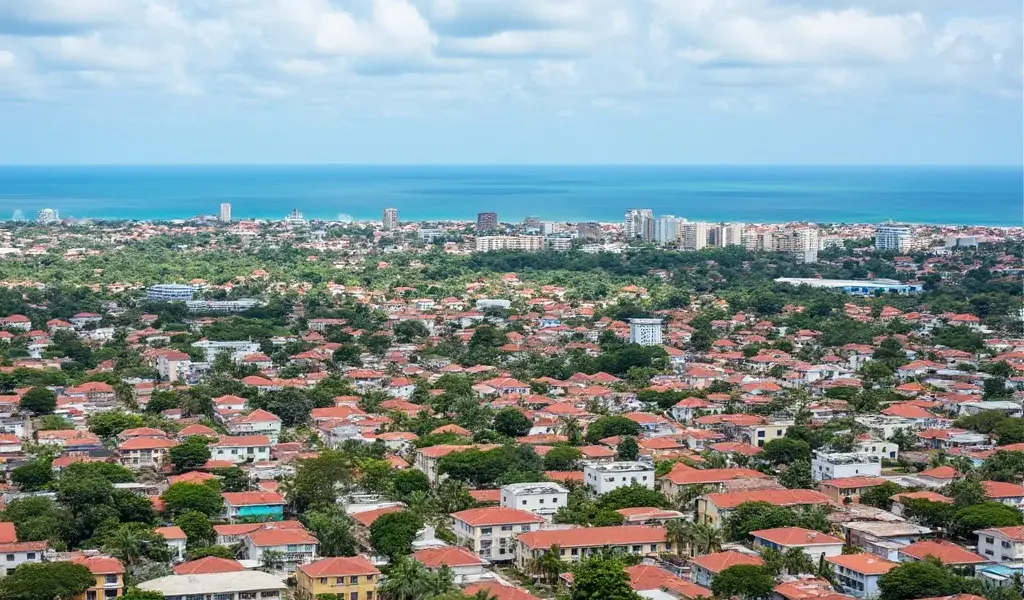
Located on St. Mary’s Island at the mouth of the Gambia River, Banjul serves as a strategic point for maritime trade and transportation. The city is home to approximately 31,000 residents, making it a vibrant metropolis within the smaller population of The Gambia. Known for landmarks such as the Arch 22, the National Museum, and bustling markets, Banjul attracts visitors seeking to immerse themselves in Gambian culture.
Recent Developments
In recent months, Banjul has seen significant initiatives aimed at revitalising the city’s infrastructure. The Gambian government, along with international partners, has prioritised urban renewal projects that include road improvement, waste management systems, and the promotion of eco-friendly tourism. The launch of the National Urban Development Programme has garnered attention, promising new public spaces and enhanced living conditions for residents.
The importance of these developments cannot be underestimated, as they offer a path towards economic growth and improved quality of life in a city that has historically faced challenges. Additionally, Banjul’s inclusion in global tourism campaigns aims to highlight its unique offerings while balancing development with sustainable practices.
Cultural Heritage and Community
Banjul’s cultural richness is evidenced through its annual festivals, art exhibitions, and traditional music events. The Gambia’s commitment to preserving its cultural identity remains strong, with various organisations working to document and celebrate the unique expressions of its people. Community-based projects have emerged, focusing on the empowerment of youth through the arts, further solidifying Banjul’s role as a cultural anchor in the region.
Conclusion
Banjul’s evolution as a dynamic urban centre is indicative of the broader changes occurring across The Gambia. By investing in infrastructure, promoting tourism, and celebrating its cultural heritage, Banjul is poised to attract further attention on the international stage. As developments continue, the city represents not only a historical narrative but also a beacon of hope for sustainable urbanisation and community empowerment in West Africa.
You may also like