Introduction
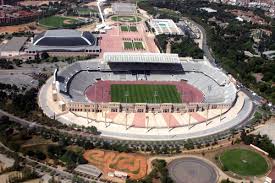
The Estadi Olímpic Lluís Companys, located in Barcelona, Spain, has long been a significant landmark in the world of sports. Originally built for the 1929 International Exhibition, it has hosted a variety of events, including the 1992 Summer Olympics. The stadium not only serves as a historical site but also as a modern venue for sports and cultural events, maintaining its relevance in today’s society.
Historical Significance
The stadium was initially known as Estadi de Montjuïc and underwent a major renovation to prepare for the 1992 Olympic Games. This included expanding its seating capacity to over 65,000, and the installation of state-of-the-art facilities. The event significantly boosted tourism and international attention to Barcelona, showcasing the city’s architectural beauty and sporting spirit.
Recent Developments
In recent months, the Estadi Olímpic Lluís Companys has been the subject of exciting developments. It has been announced that the stadium will host a range of sporting events leading up to the 2024 European Championships. The venue’s management is working closely with local authorities to ensure that the facilities meet the evolving needs of athletes and spectators alike. Additionally, there are plans to enhance the sustainability of the stadium with green initiatives.
Cultural Events
Aside from sporting events, the Estadi Olímpic Lluís Companys also serves as a venue for concerts and cultural activities. Notably, it has hosted international music stars and significant cultural festivals. The stadium thus plays a dual role as both a sports arena and a cultural hub, attracting diverse audiences throughout the year.
Conclusion
The Estadi Olímpic Lluís Companys represents not only a rich historical heritage but also a vibrant future in the sporting and cultural landscape of Barcelona. As preparations ramp up for upcoming sporting events, the stadium is poised to retain its central role in the city’s identity and sporting culture. With initiatives for modernization and sustainability already underway, this iconic venue is set to enchant sports fans and cultural enthusiasts alike for many years to come.
You may also like