Introduction
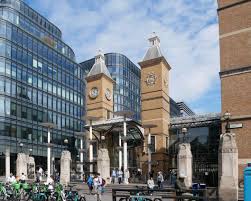
Liverpool Street Station, located in the heart of London’s financial district, stands as one of the busiest railway stations in the UK. Opened in 1874, it connects the capital to major cities in the east of England, including Cambridge and Norwich. With the increasing demand for transport options, the station’s strategic importance has surged, especially as the city continues to recover from the impacts of the COVID-19 pandemic. This article will delve into Liverpool Street Station’s history, recent developments, and its role in modern London.
Historical Significance
Originally established as the terminus for the Great Eastern Railway, Liverpool Street Station has undergone several renovations to accommodate the rising flow of passengers. It features stunning architecture designed by Edward Wilson, with its magnificent Victorian façade still attracting visitors today. The station played a pivotal role during both World Wars, serving as a departure point for troops and an arrival point for refugees.
Current Developments
In recent years, significant upgrades have been implemented to enhance passenger experience and capacity. A major refurbishment project was completed in 2016, which included modernising facilities and improving accessibility for disabled passengers. Furthermore, the opening of Crossrail, now known as the Elizabeth Line, has linked Liverpool Street with further regions across London, allowing for faster commutes and increased connectivity. This multimillion-pound initiative aims to ease congestion and provide quicker journeys, benefiting both commuters and travelers alike.
Impact on Commuters
With approximately 13 million visitors annually, Liverpool Street Station serves as a vital commute hub for thousands of Londoners. A recent surge in remote working has led to a fluctuation in travel numbers, yet as restrictions ease, the expectation is for passenger traffic to rebound. Train service operators, such as Greater Anglia and London Underground, are taking steps to ensure a smooth transition back to pre-pandemic levels, prioritising safety and convenience for their passengers.
Conclusion
Liverpool Street Station continues to be a cornerstone of London’s transport network. Its enduring historical significance, coupled with ongoing modernisation efforts, ensures that it remains relevant in an ever-evolving urban landscape. As the city embraces a return to normality, the station is poised to play an even more crucial role in facilitating travel for both residents and tourists. Observers forecast that Liverpool Street Station will not only reclaim its position as a bustling transport hub but will also adapt to future challenges in sustainable urban transportation.
You may also like


