Introduction
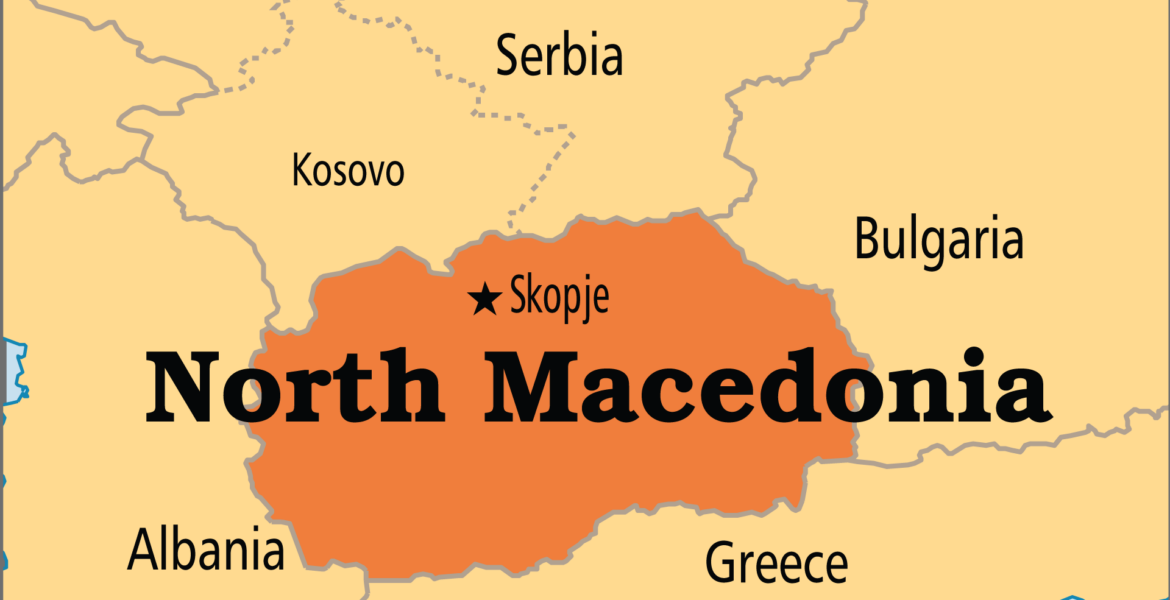
North Macedonia, a small landlocked country in Southeast Europe, has emerged as a significant player in the Balkan region. With its rich cultural heritage, diverse population, and strategic geopolitical position, the nation is a focal point for both Eastern and Western influences. Understanding North Macedonia is crucial, especially as it navigates its path toward European Union integration and confronts historical challenges.
Historical Context
Historically, North Macedonia has been a crossroads of empires, influenced by the ancient Greeks, Romans, and Ottomans. It declared independence from Yugoslavia in 1991, but faced significant challenges relating to its name and identity. The name dispute with Greece, which lasted for decades, was resolved in 2018 when the Prespa Agreement was signed, leading to the country’s official name change from the former Yugoslav Republic of Macedonia to North Macedonia.
Recent Political Developments
North Macedonia’s journey toward EU accession has been bumpy yet promising. In March 2020, the European Council decided to open accession negotiations with the country, a significant step forward. However, challenges remain, including internal political stability and relations with neighbouring Bulgaria, which have been contentious over historical interpretations and language rights. The new government, led by Prime Minister Dimitar Kovačevski, has signalled its commitment to reforms and dialogue, emphasising its aspirations to join the European Union by 2030.
Cultural Richness
The rich tapestry of North Macedonian culture is reflected in its traditions, cuisine, and festivals. The country is known for its vibrant music scene, particularly folk music, and the annual Ohrid Summer Festival, which attracts artists from around the world. The capital, Skopje, showcases a blend of modern and historical architecture, with landmarks such as the Alexander the Great statue and the Stone Bridge standing as testaments to its diverse heritage.
Conclusion
North Macedonia stands at a crossroads, with the potential for significant growth and integration into Europe. As it grapples with its historical challenges and strives for EU membership, the nation is redefining its identity on the global stage. For readers interested in European politics, understanding North Macedonia’s journey is essential, as it reflects broader themes of national identity, cooperation, and the quest for stability in the Balkans. The ongoing developments within the country will be pivotal in shaping its future and that of the region.
You may also like