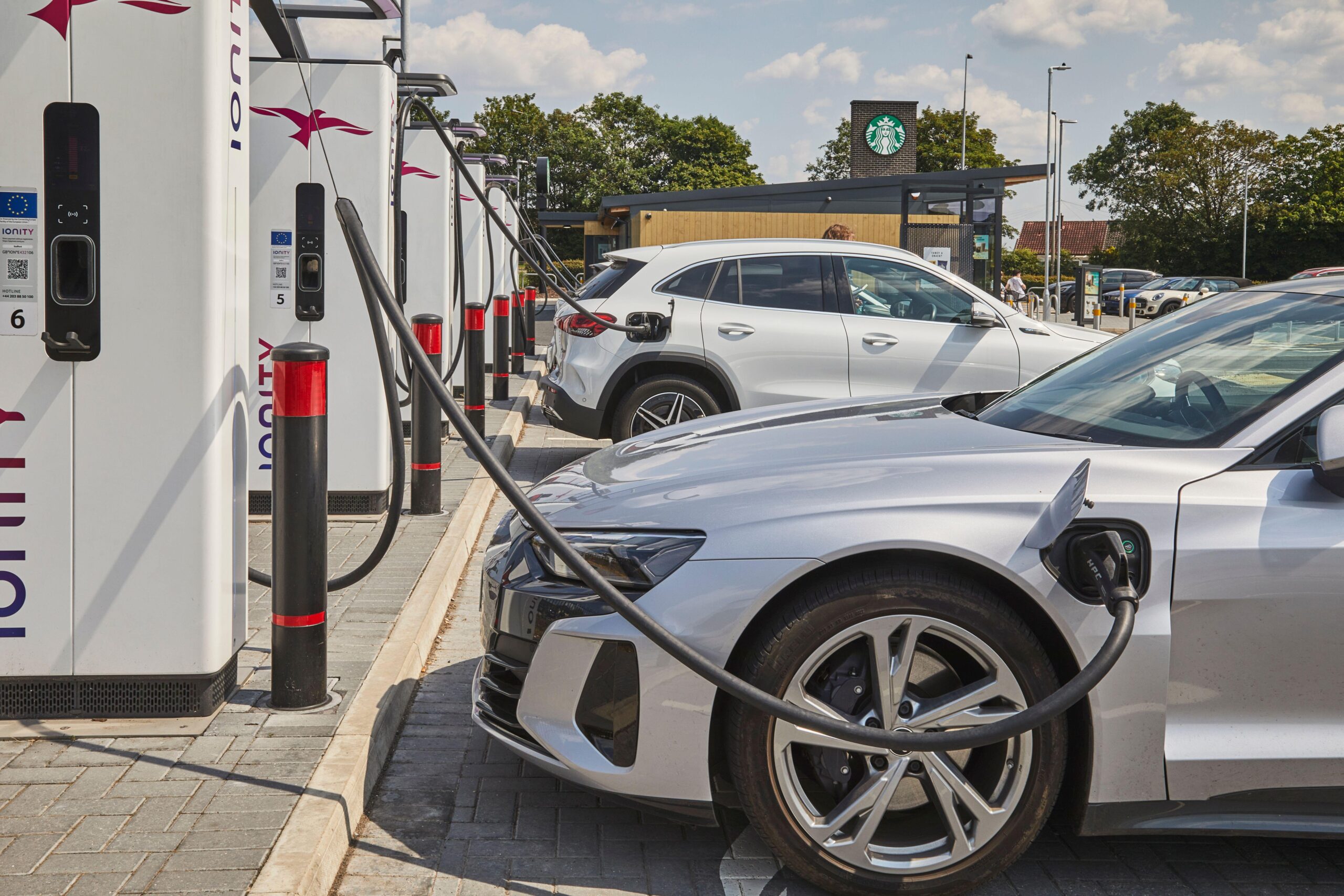
Introduction: The Need for Electric Vehicle Charging Reforms
As electric vehicles (EVs) gain popularity in the UK, the need for comprehensive charging reforms has become increasingly critical. With government commitments to achieving net zero carbon emissions by 2050, the development of accessible and efficient EV charging infrastructure is at the forefront of discussions among policymakers, industry stakeholders, and environmental advocates. This article delves into the recent reforms in the EV charging landscape and examines their broader implications for consumers and the automotive market.
The Current State of EV Charging in the UK
According to the latest data from the Department for Transport, the number of registered electric vehicles in the UK exceeded 400,000 in 2022, reflecting a dramatic increase in public interest. However, despite this surge, the availability and reliability of charging stations remain key challenges. In response, the UK government has introduced several reforms aimed at enhancing the charging experience for EV drivers.
Recent Reforms in EV Charging
In 2023, a series of reforms were enacted focusing on three main areas:
- Access and Affordability: New regulations mandate that charge point operators must provide transparent pricing and multiple payment options, ensuring consumers are not locked into proprietary payment systems. Furthermore, local authorities are encouraged to offer free or discounted charging options for public sector vehicles.
- Infrastructure Development: The government has allocated £500 million in funding to support the installation of additional rapid charging stations across the UK. This initiative aims to increase the number of publicly accessible charge points by 2025, targeting both urban areas and remote regions.
- Consumer Protection: A new framework introduced by the Office for Zero Emission Vehicles (OZEV) includes standards that all public charge points must meet, ensuring they are user-friendly, maintained properly, and meet safety regulations.
Impact on Consumers and the Automotive Market
The recent reforms are expected to significantly benefit EV consumers by making charging more accessible and affordable. The anticipated growth in infrastructure aligns with the government’s ambitions to boost EV adoption rates. By addressing current barriers to charging, these reforms are poised to instil greater consumer confidence in electric mobility.
Conclusion: A Shift Towards Sustainable Transportation
The electric vehicle charging reforms represent a crucial step in the UK’s transition to sustainable transportation. By enhancing access, affordability, and consumer protections, the government is paving the way for a more robust EV charging infrastructure that can support an increasing number of electric vehicles on the roads. As these reforms take hold, they are likely to shape the future of transport in the UK, ultimately contributing to the broader goal of achieving net-zero emissions. Furthermore, the success of these initiatives could serve as a model for other nations grappling with similar challenges in the global shift towards electric mobility.
You may also like