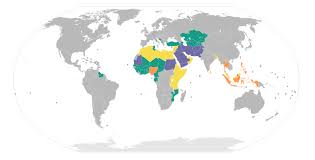
Introduction to Sharia Law
Sharia law, derived from the Islamic faith, encompasses a comprehensive legal framework covering all aspects of a Muslim’s life, including moral, social, and economic issues. Its interpretation and application can vary greatly among different cultures and societies, making its study significant in understanding contemporary global legal systems.
Key Principles of Sharia Law
At its core, Sharia is based on the Quran and the Hadith, which are the recorded sayings and actions of the Prophet Muhammad. It addresses various topics, including family law, criminal justice, human rights, and administrative law. For example, Sharia outlines rules for marriage, divorce, inheritance, and financial dealings, promoting fairness and justice in social transactions. Understanding these principles is crucial for a nuanced discussion about their application in different jurisdictions.
Application and Interpretation
The interpretation of Sharia law can significantly affect its implementation. Various schools of thought within Islam, such as Sunni and Shia, along with cultural influences, lead to diverse applications. In countries like Saudi Arabia and Iran, Sharia is integrated into the national legal system, while in places like Indonesia and Turkey, it may coexist with secular laws. Recent events, including the Taliban’s return to power in Afghanistan, have brought Sharia law into the spotlight, prompting discussions about human rights and social justice under such legal frameworks.
Contemporary Issues and Debates
Sharia law remains a controversial subject in many parts of the world. Critics argue that certain interpretations lead to human rights violations, particularly concerning women’s rights and freedom of expression. Conversely, proponents highlight that a properly understood and applied Sharia can promote social justice and ethical conduct. In the UK, for instance, some advocacy groups are pushing for a clearer understanding of how Sharia can coexist with British law, especially within communities that wish to maintain religious traditions.
Conclusion: The Future of Sharia Law
The discourse surrounding Sharia law is evolving, particularly in light of globalization and the increasing migration of Muslims to Western countries. As societies become more multicultural, the challenge is to engage thoughtfully and respectfully with Sharia principles, balancing adherence to religious beliefs with the tenets of human rights and individual freedoms. As debates continue, it is essential for readers to stay informed about both the complexities and the implications of Sharia law in a global context, fostering an understanding that transcends stereotypes and promotes dialogue.
You may also like