Introduction
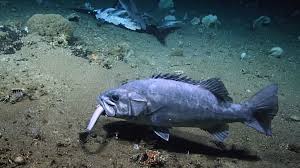
The Atlantic wreckfish (Polyprion americanus) is a fascinating species that has garnered attention for both its ecological significance and culinary appeal. Found primarily in the deep waters of the Atlantic Ocean, this robust fish has become increasingly popular among seafood enthusiasts and chefs alike. Understanding the biology, environmental challenges, and culinary uses of the Atlantic wreckfish is vital for preserving the species and promoting sustainable fishing practices.
Ecological Significance
The Atlantic wreckfish is known to inhabit rocky underwater structures at depths ranging from 200 to 1,200 metres. It is a large fish that can grow up to 1.5 metres in length and weigh over 50 kilograms. Its diet mainly consists of other fish and squid, positioning it as a vital predator within its ecosystem. However, this species has faced serious challenges due to overfishing and habitat degradation. The International Union for Conservation of Nature (IUCN) has classified it as ‘Vulnerable’, urging the need for sustainable fishing policies to ensure the population remains stable.
Culinary Uses
Atlantic wreckfish is frequently praised for its mild flavour and firm, flaky texture. It is a versatile ingredient that can be prepared in various culinary styles, making it a favourite choice in many restaurants worldwide. Chefs highlight its suitability for grilling, baking, or as a component in seafood stews. Furthermore, culinary interest has led to various recipes being developed, showcasing this fish in a variety of international cuisines. The increasing demand for wreckfish among both chefs and home cooks poses a unique challenge for fishery management, necessitating an emphasis on responsible sourcing.
Sustainable Fishing Practices
To address concerns regarding overfishing, several countries have implemented regulations aimed at promoting sustainable fishing practices. In the United States, the National Oceanic and Atmospheric Administration (NOAA) monitors wreckfish populations and enforces catch limits to aid in recovery efforts. Consumers are also encouraged to make informed choices by seeking seafood sourced from sustainable fisheries or carrying eco-certifications. The rise of consumer awareness around sustainability means that chefs and restaurants are increasingly highlighting the sourcing of their seafood, furthering the importance of responsible fishing.
Conclusion
The Atlantic wreckfish remains an essential species with significant ecological and culinary importance. As awareness of sustainable practices grows, there is hope that the wreckfish population can be preserved while continuing to feature prominently in culinary circles. For seafood lovers, this means enjoying the delicacy of the Atlantic wreckfish while also supporting responsible fishing and environmental protection efforts. Looking ahead, a harmonious balance between culinary enjoyment and ecological sustainability will be vital for the future of the Atlantic wreckfish.
You may also like