Introduction
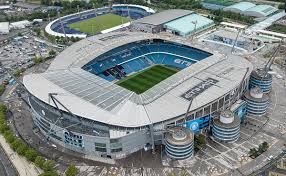
The City of Manchester Stadium, also known as the Etihad Stadium, is a significant landmark in the city of Manchester, serving as the home of Manchester City Football Club. Completed in 2003, the stadium stands as a testament to the city’s sporting heritage and has undergone numerous renovations to enhance its capacity and facilities, making it one of the premier football stadiums in the United Kingdom.
History and Development
Originally built to host the 2002 Commonwealth Games, the City of Manchester Stadium was transformed into a football ground shortly after the games concluded. The facility was initially referred to as the City of Manchester Stadium during its construction but was renamed the Etihad Stadium in 2011 following a sponsorship agreement with the Etihad Airways. With a seating capacity of 53,000, it accommodates thousands of football fans on match days and serves as a venue for various events, further establishing its role as a central hub for sports and entertainment in the region.
Recent Events and Significance
In recent years, the stadium has hosted not just Manchester City matches, which have seen a surge in popularity and success under the management of Pep Guardiola, but also major events, including international matches and concerts. In 2023, the stadium was chosen as one of the key venues for the UEFA Women’s Euro 2022, showcasing its importance in promoting women’s football. The stadium is also vital for the local economy, drawing in tourists and generating revenue for hospitality and retail sectors in Manchester.
Community Engagement and Future Prospects
Manchester City FC has increasingly engaged with the local community through various initiatives, including youth training programmes and community outreach projects linked to the stadium. The continuing development of the surrounding area, coupled with planned expansions for the stadium, indicates a bright future for both the facility and its role within Manchester. Officials are optimistic that this growth will sustain the stadium’s importance for years to come.
Conclusion
The City of Manchester Stadium represents more than just a venue for football matches; it is a symbol of Manchester’s pride and resilience. As Manchester City FC continues to thrive, the stadium is expected to evolve further, enhancing its facilities and services. The stadium’s impact on the community and its significant role in hosting high-profile events ensures that it will remain a focal point within Manchester for sports enthusiasts and visitors alike.
You may also like